How to Apply
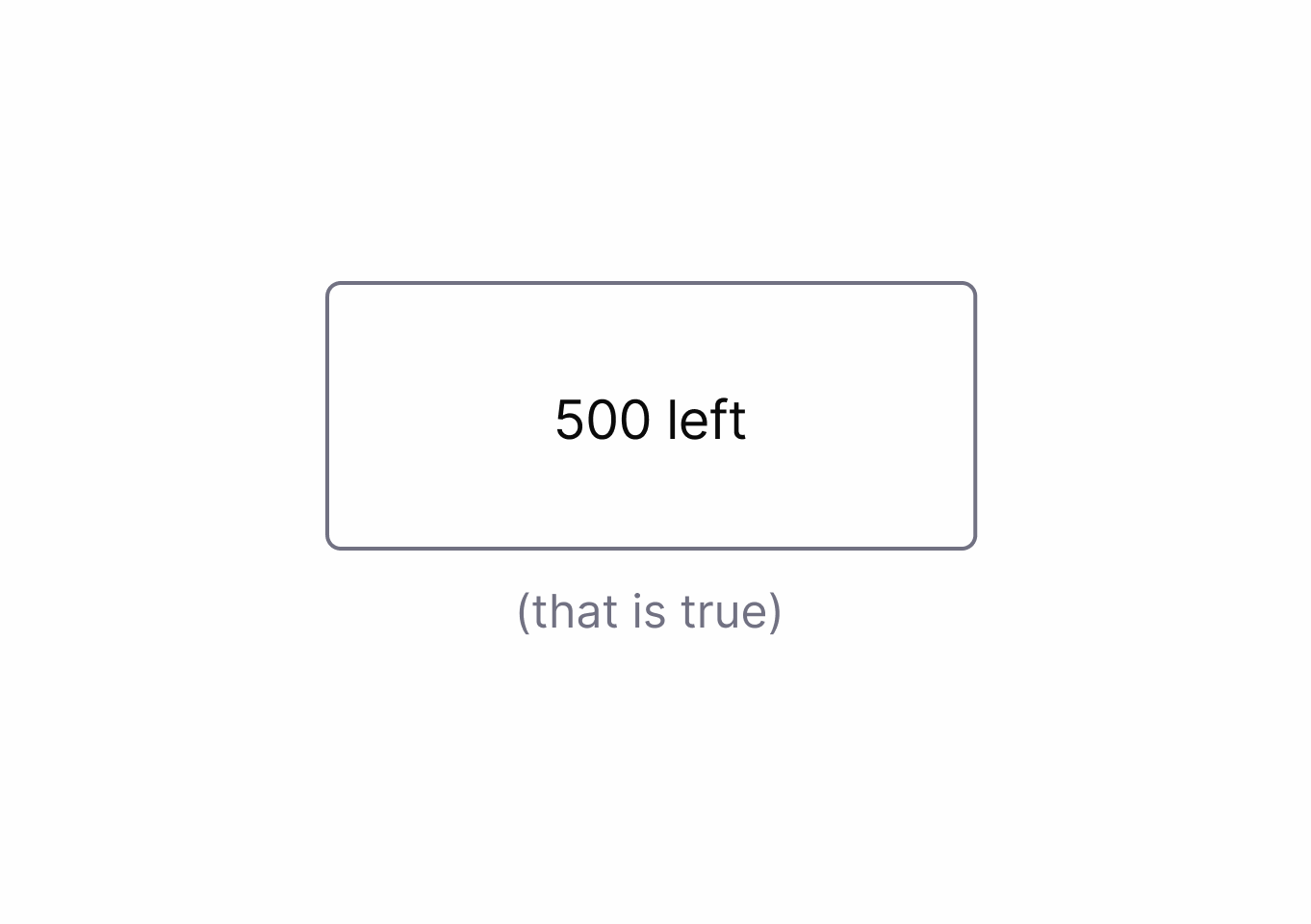
- Show real stock levels only when inventory data is accurate and up to date.
- Avoid vague phrases like “selling fast” or “almost gone”.
- Explain any genuine time limit in plain text near the price (for example, “Price valid until 25 Nov”).
It accelerates user decisions by prompting immediate action through time-sensitive or limited availability cues.
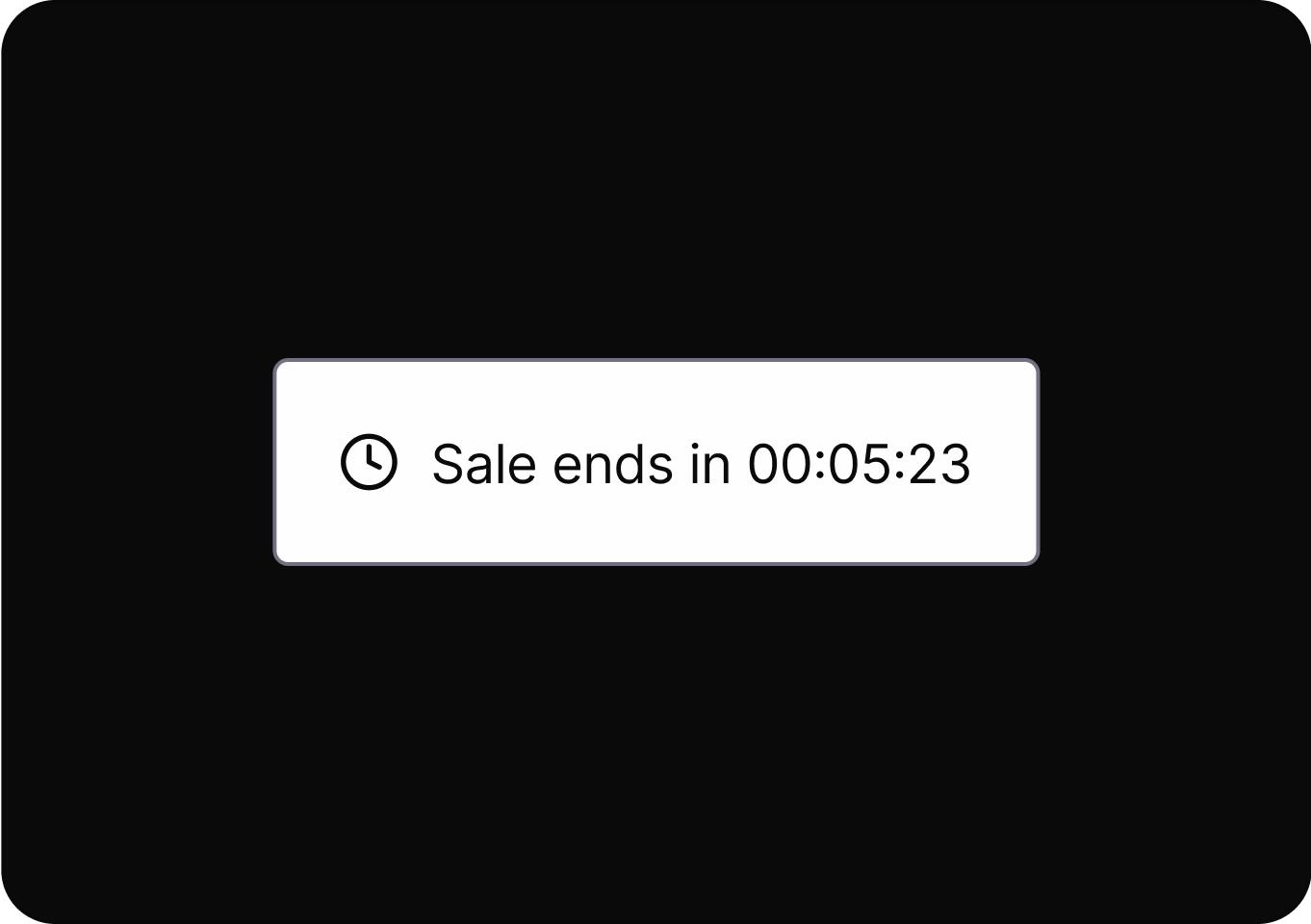
Avoid using deceptive urgency or fake scarcity messages to pressure user decisions.
Two different approaches to Bright Patterns:
This approach is used by Sandhaus. It defines concrete Bright Patterns for specific contexts — for example the Bright Pattern "Usage Limits", which describes an interface that restricts the usage time of a service to a healthy level.
The original way the term "Bright Pattern" was introduced: the direction of the manipulation is switched from harming the user to being user-friendly. For example, instead of highlighting the option that harms the user, the user-friendly option is highlighted.
Source:
The symbiosis view connects dark patterns to bright alternatives
In the symbiosis view, each dark high/meso level pattern is paired with at least one matching bright pattern.
This view does not include low-level patterns, as these are implementation details. Refer to the related meso or high-level patterns for bright low-level alternatives.
Learn more about pattern levels in the pattern levels explainer.
Go into detail for each pair to see how a manipulative dark pattern can be replaced by an ethical bright pattern.
For that click on a pair in the symbiosis view to open its detail page. There you get a guide on how to apply the bright pattern and you can compare the bright pattern directly to the dark pattern.
A list of all sources used across the site. Click an entry to open the full reference.