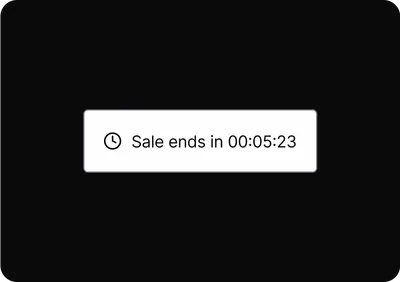
No False Scarcity
Do not display false low-stock or urgency notifications. Let users browse and select products at their own pace without manipulation or stress from artificial time-limited messages. This maintains honesty and does not exploit consumers’ decision-making biases.
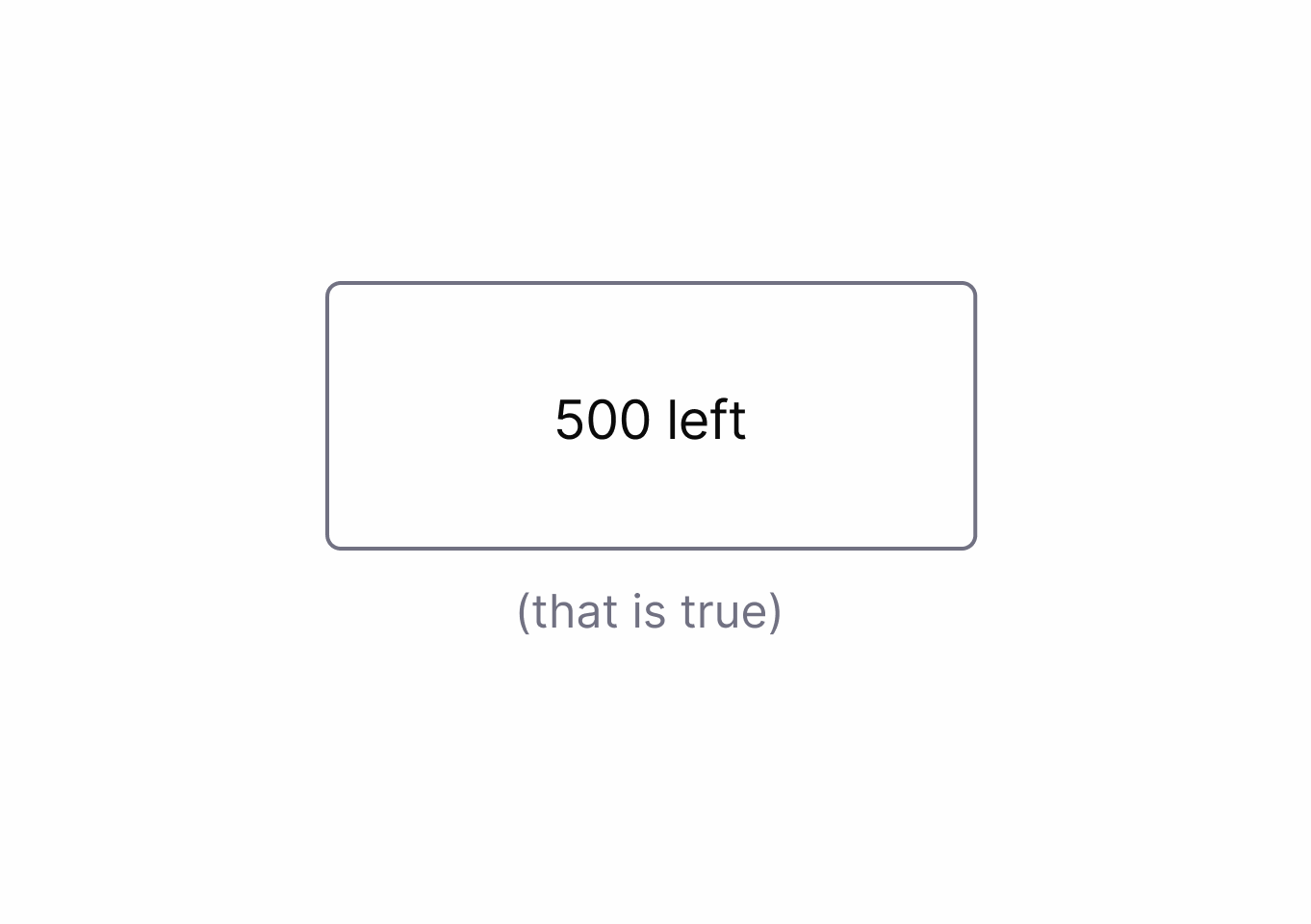
Symbiosis
Dark counterparts to this bright pattern
-
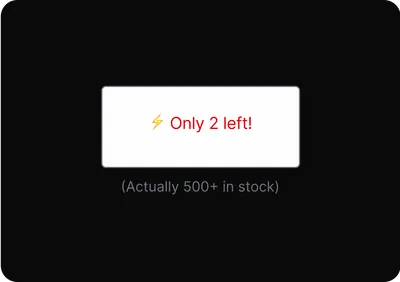
Scarcity and Popularity ClaimsView pair →It pressures users to buy quickly by presenting products as highly sought-after or in limited supply, increasing urgency and perceived value. -
UrgencyView pair →It accelerates user decisions by prompting immediate action through time-sensitive or limited availability cues.
Sources
Pattern Levels
Source not found.
Approach: semantic vs flipping
Two different approaches to Bright Patterns:
1
Semantic Approach
This approach is used by Sandhaus. It defines concrete Bright Patterns for specific contexts — for example the Bright Pattern "Usage Limits", which describes an interface that restricts the usage time of a service to a healthy level.
2
Flipping Dark Patterns
The original way the term "Bright Pattern" was introduced: the direction of the manipulation is switched from harming the user to being user-friendly. For example, instead of highlighting the option that harms the user, the user-friendly option is highlighted.
Source: