Dark Patterns Symbiosis Bright Patterns
Symbiosis ›

Social Engineering and Fairness

How to Apply

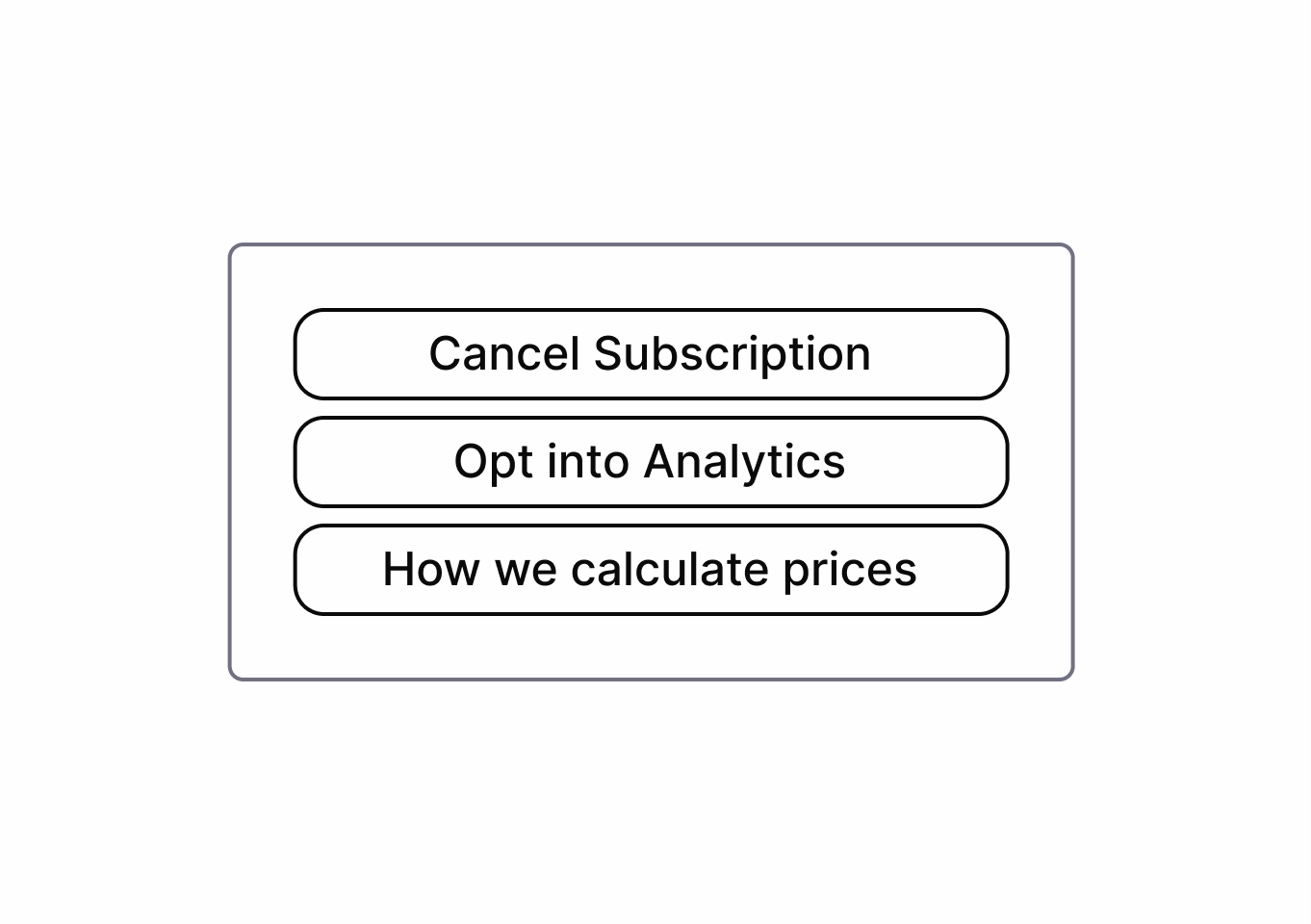
  • Show all options with equal visual weight, avoiding default highlights that push one choice.
  • Use neutral, factual language in labels and CTAs, without urgency, guilt, or social pressure cues.
  • Place clear explanations next to key actions (e.g., “What happens if I opt out?”) using simple, direct text.
  • Provide a clear “No thanks” or “Skip” action alongside any “Accept” or “Continue” button.
  • Let users easily change or undo choices later via a visible settings or account page.
Dark Pattern

Social Engineering

Open →

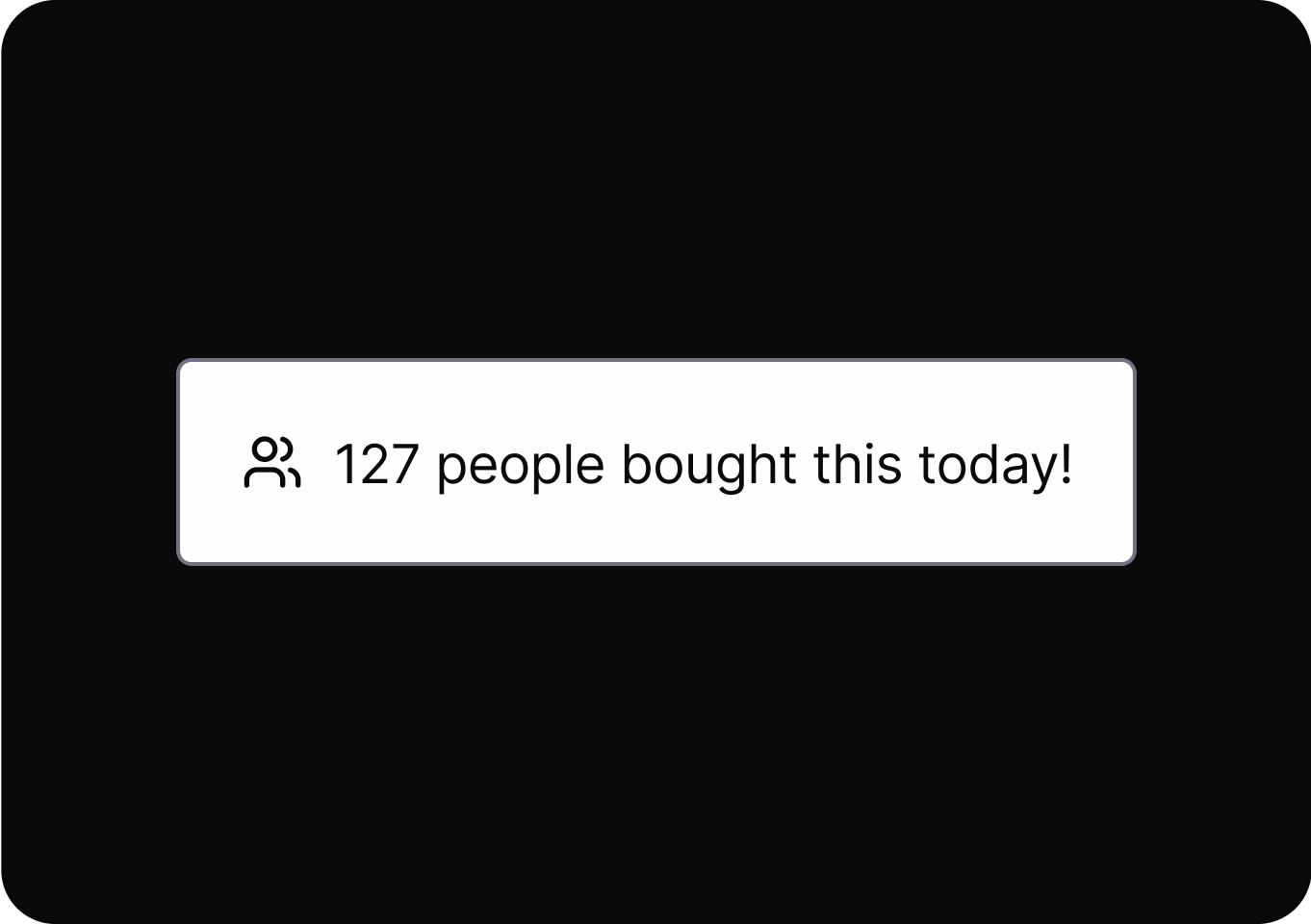
Exploit cognitive biases to increase the likelihood of a desired action.

Social Engineering
Illustration
Social Engineering is a strategy which presents options or information that causes a user to be more likely to perform a specific action based on their individual and/or social cognitive biases, thereby leveraging a user's desire to follow expected or imposed social norms

Contexts

  • consent

Harmed Goals

  • comprehension
  • control
Bright Pattern

Fairness

Open →

Ensures ethical treatment of users through transparent practices and respect for user autonomy.

Fairness
Illustration
Fairness encompasses design patterns that treat users ethically and respectfully by minimizing data collection, providing clear consent mechanisms, transparent pricing, and easy exit options. This ensures users are not manipulated or deceived, and their choices are respected throughout their interaction with digital services.

Interaction Contexts

  • settings

Sources

Pattern Levels

High-Level Patterns Strategy Domain & Context Diagnostic (abstract)

High-level patterns include general strategies that can be employed through a range of modalities and technologies and application types

Meso-Level Patterns Angle of Attack Domain & Context Diagnostic (interpretable)

Meso-level patterns describe a context-agnostic angle of attack and may be interpreted in relation to context based on the specific modality or application type

Low-Level Patterns Means of Execution Domain & Context Specific (situated)

Low-level patterns are situated and contextually dependent, including specific means of execution

Diagram: High (strategy, diagnostic), Meso (angle of attack, still diagnostic), Low (means of execution, context specific). Integrated textual descriptions appear within each layer.

Source not found.

Approach: semantic vs flipping

Two different approaches to Bright Patterns:

1

Semantic Approach

This approach is used by Sandhaus. It defines concrete Bright Patterns for specific contexts — for example the Bright Pattern "Usage Limits", which describes an interface that restricts the usage time of a service to a healthy level.

2

Flipping Dark Patterns

The original way the term "Bright Pattern" was introduced: the direction of the manipulation is switched from harming the user to being user-friendly. For example, instead of highlighting the option that harms the user, the user-friendly option is highlighted.

Source:

How the Symbiosis Works

The symbiosis view connects dark patterns to bright alternatives

Dark Patterns match Bright Patterns

In the symbiosis view, each dark high/meso level pattern is paired with at least one matching bright pattern.

This view does not include low-level patterns, as these are implementation details. Refer to the related meso or high-level patterns for bright low-level alternatives.

Learn more about pattern levels in the pattern levels explainer.

Alternatives

Go into detail for each pair to see how a manipulative dark pattern can be replaced by an ethical bright pattern.

For that click on a pair in the symbiosis view to open its detail page. There you get a guide on how to apply the bright pattern and you can compare the bright pattern directly to the dark pattern.

Paul Bertram 2026
Impressum Datenschutz

Source not found.

Sources

A list of all sources used across the site. Click an entry to open the full reference.

Pattern Levels

High-Level Patterns Strategy Domain & Context Diagnostic (abstract)

High-level patterns include general strategies that can be employed through a range of modalities and technologies and application types

Meso-Level Patterns Angle of Attack Domain & Context Diagnostic (interpretable)

Meso-level patterns describe a context-agnostic angle of attack and may be interpreted in relation to context based on the specific modality or application type

Low-Level Patterns Means of Execution Domain & Context Specific (situated)

Low-level patterns are situated and contextually dependent, including specific means of execution

Diagram: High (strategy, diagnostic), Meso (angle of attack, still diagnostic), Low (means of execution, context specific). Integrated textual descriptions appear within each layer.