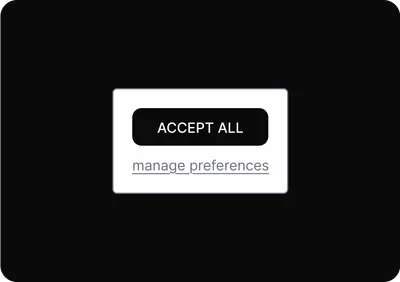
Fairness
Fairness encompasses design patterns that treat users ethically and respectfully by minimizing data collection, providing clear consent mechanisms, transparent pricing, and easy exit options. This ensures users are not manipulated or deceived, and their choices are respected throughout their interaction with digital services.
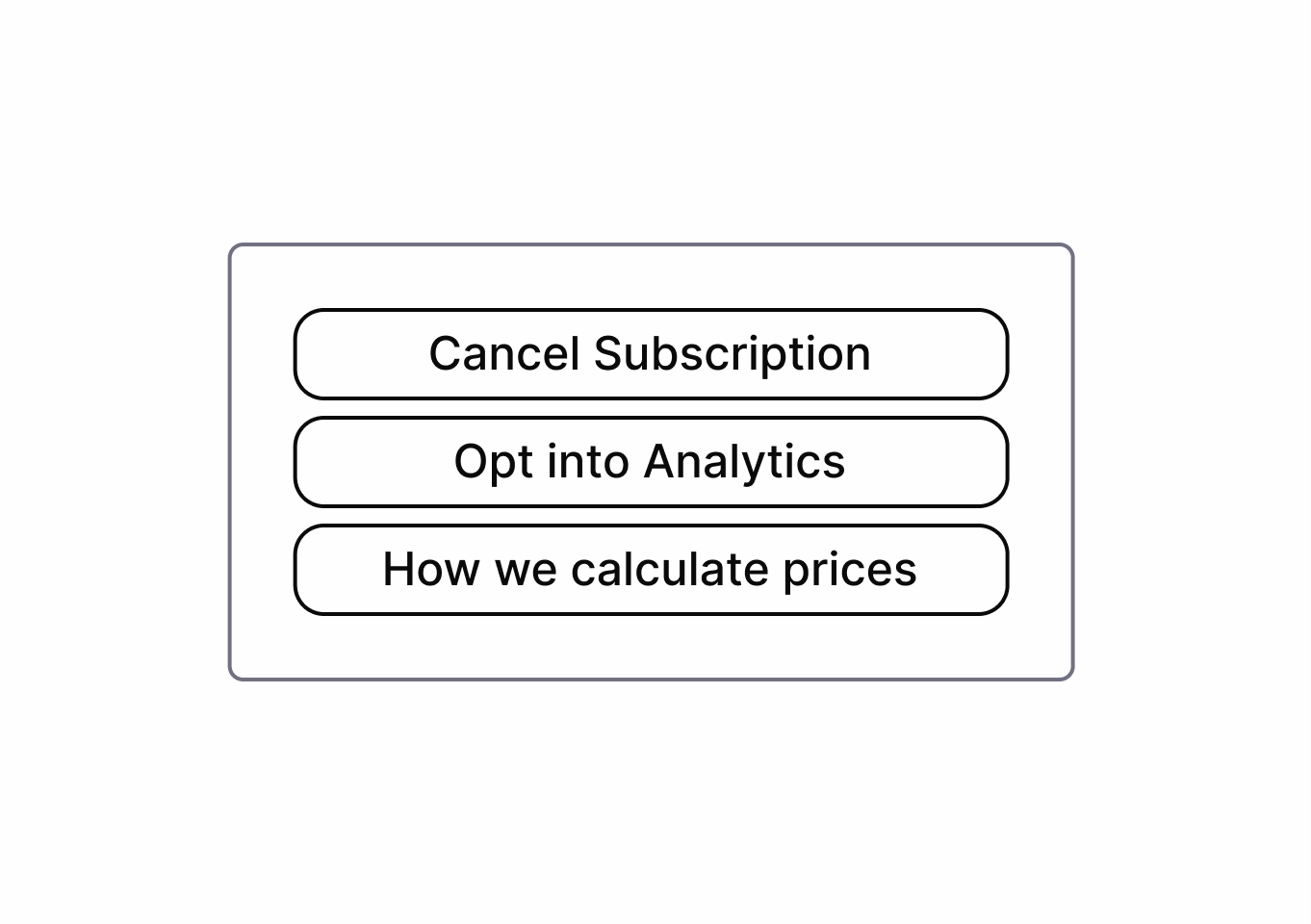
Symbiosis
Dark counterparts to this bright pattern
- Social EngineeringView pair →Exploit cognitive biases to increase the likelihood of a desired action.
- SneakingView pair →Hides or delays revealing crucial information.
- Interface InterferenceView pair →Make certain actions easier to find or perform while confusing or hiding alternatives.
- Forced ActionView pair →Require an unrelated step before an action