Dark Patterns Symbiosis Bright Patterns
Symbiosis ›

Nagging and Lean Processes

How to Apply

  • Map the user journey and remove nonessential steps
  • Combine or prefill fields
  • Show clear progress
  • offer exit/undo actions, so users can complete tasks quickly and recover from mistakes.
Dark Pattern

Nagging

Open →

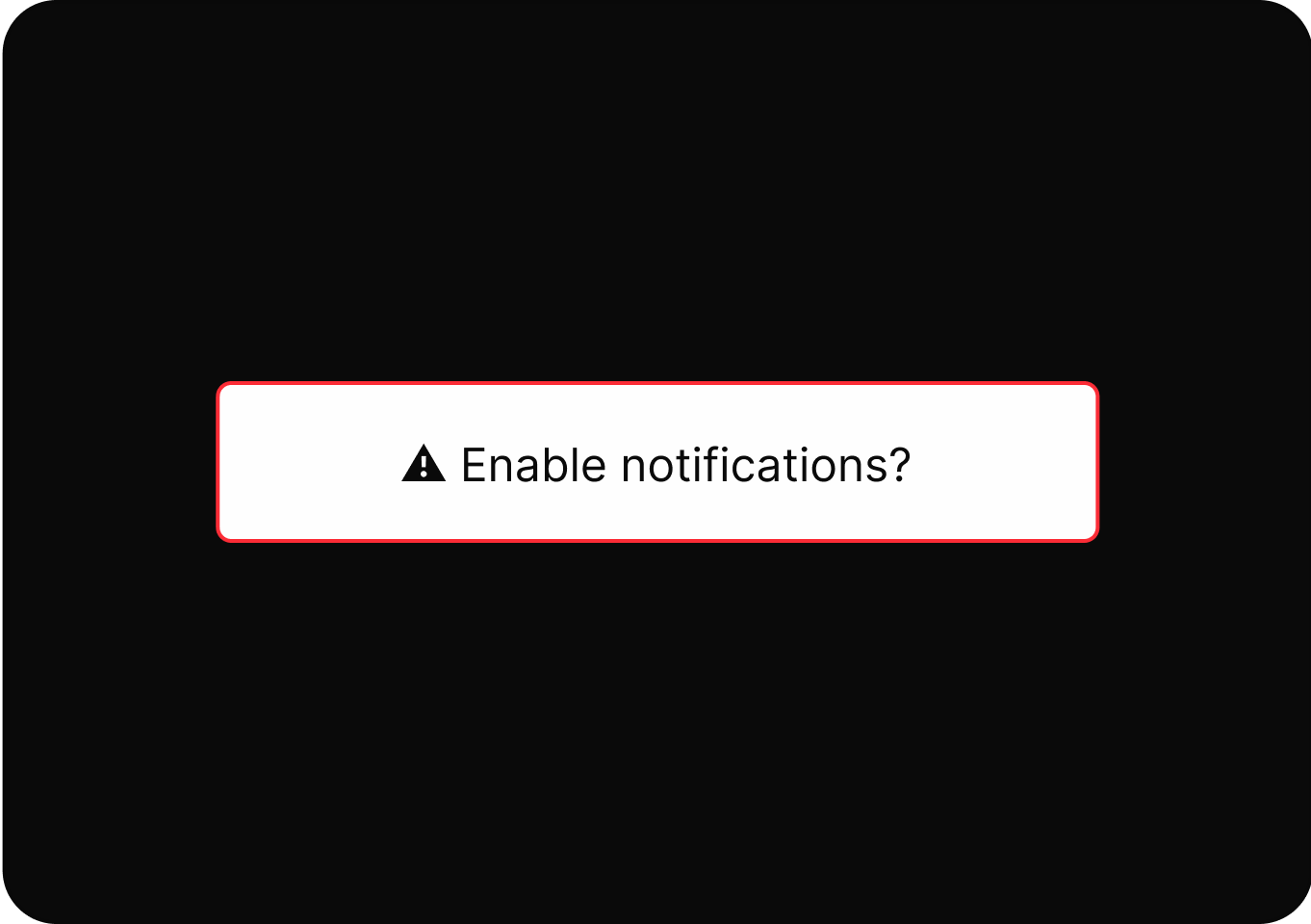
Repeated interruptions distract users from their intended tasks, pressuring them to take unwanted actions or make decisions.
Nagging
Illustration
Nagging subverts the user’s expectation that they have rational control over the interaction they make with a system, instead distracting the user from a desired task the user is focusing on to induce an action or make a decision the user does not want to make by repeatedly interrupting the user during normal interaction.

Contexts

  • checkout
  • consent
  • navigation
  • pricing
  • privacy
  • settings

Harmed Goals

  • control

Sources

Bright Pattern

Lean Processes

Open →

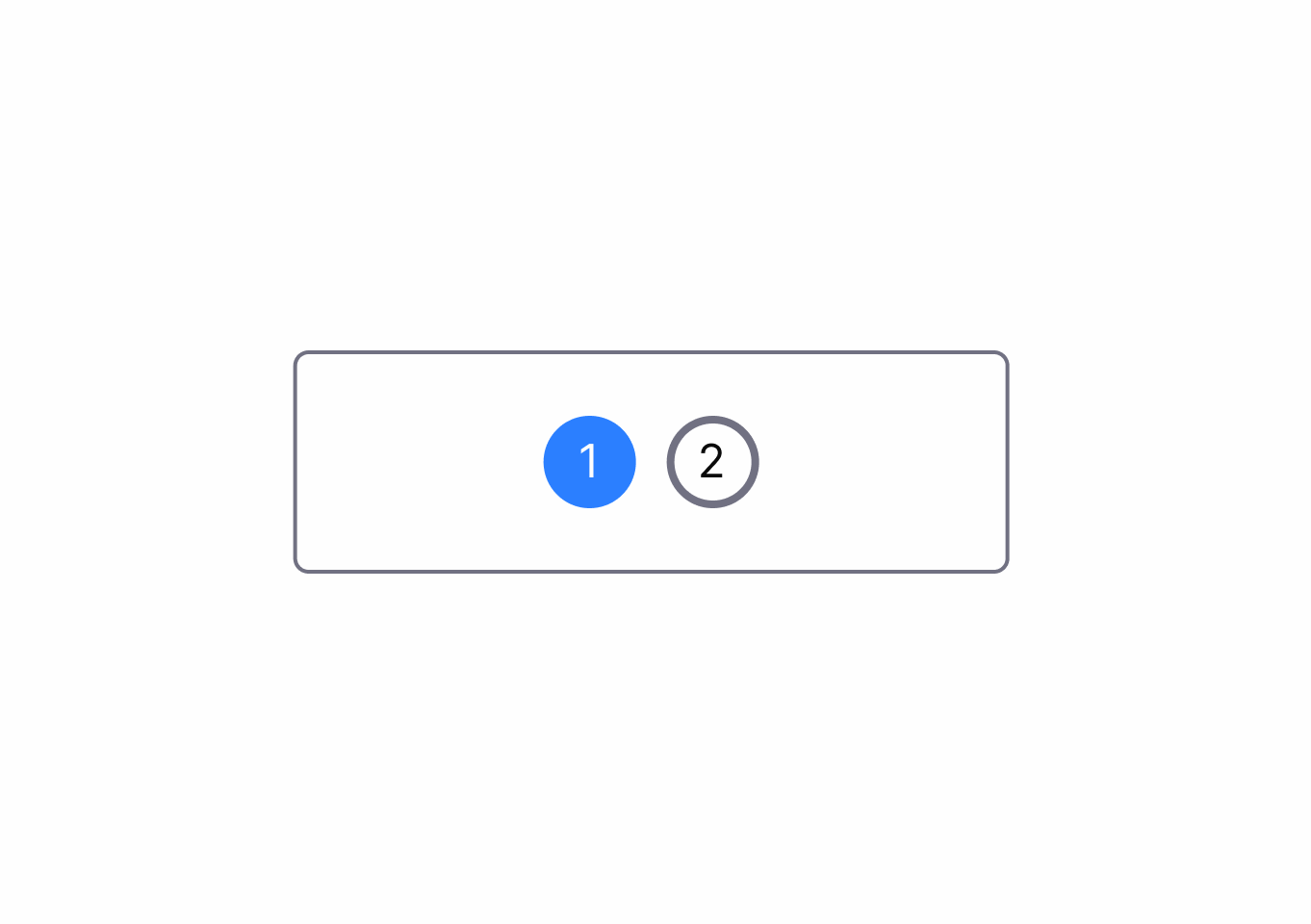
Keep processes as simple and short as possible for the user.
Lean Processes
Illustration
Processes should be as simple and short as technically possible for the user. Design userflows in a way that a user can still fully graps and if needed decide on an action, but keep unneeded additional steps away that could possibly confuse or manipulate the user.

Interaction Contexts

  • checkout
  • selection
  • settings

Sources

Pattern Levels

High-Level Patterns Strategy Domain & Context Diagnostic (abstract)

High-level patterns include general strategies that can be employed through a range of modalities and technologies and application types

Meso-Level Patterns Angle of Attack Domain & Context Diagnostic (interpretable)

Meso-level patterns describe a context-agnostic angle of attack and may be interpreted in relation to context based on the specific modality or application type

Low-Level Patterns Means of Execution Domain & Context Specific (situated)

Low-level patterns are situated and contextually dependent, including specific means of execution

Diagram: High (strategy, diagnostic), Meso (angle of attack, still diagnostic), Low (means of execution, context specific). Integrated textual descriptions appear within each layer.

Source not found.

Approach: semantic vs flipping

Two different approaches to Bright Patterns:

1

Semantic Approach

This approach is used by Sandhaus. It defines concrete Bright Patterns for specific contexts — for example the Bright Pattern "Usage Limits", which describes an interface that restricts the usage time of a service to a healthy level.

2

Flipping Dark Patterns

The original way the term "Bright Pattern" was introduced: the direction of the manipulation is switched from harming the user to being user-friendly. For example, instead of highlighting the option that harms the user, the user-friendly option is highlighted.

Source:

How the Symbiosis Works

The symbiosis view connects dark patterns to bright alternatives

Dark Patterns match Bright Patterns

In the symbiosis view, each dark high/meso level pattern is paired with at least one matching bright pattern.

This view does not include low-level patterns, as these are implementation details. Refer to the related meso or high-level patterns for bright low-level alternatives.

Learn more about pattern levels in the pattern levels explainer.

Alternatives

Go into detail for each pair to see how a manipulative dark pattern can be replaced by an ethical bright pattern.

For that click on a pair in the symbiosis view to open its detail page. There you get a guide on how to apply the bright pattern and you can compare the bright pattern directly to the dark pattern.

Paul Bertram 2026
Impressum Datenschutz

Source not found.

Sources

A list of all sources used across the site. Click an entry to open the full reference.

Pattern Levels

High-Level Patterns Strategy Domain & Context Diagnostic (abstract)

High-level patterns include general strategies that can be employed through a range of modalities and technologies and application types

Meso-Level Patterns Angle of Attack Domain & Context Diagnostic (interpretable)

Meso-level patterns describe a context-agnostic angle of attack and may be interpreted in relation to context based on the specific modality or application type

Low-Level Patterns Means of Execution Domain & Context Specific (situated)

Low-level patterns are situated and contextually dependent, including specific means of execution

Diagram: High (strategy, diagnostic), Meso (angle of attack, still diagnostic), Low (means of execution, context specific). Integrated textual descriptions appear within each layer.