Lean Processes
Processes should be as simple and short as technically possible for the user. Design userflows in a way that a user can still fully graps and if needed decide on an action, but keep unneeded additional steps away that could possibly confuse or manipulate the user.
Symbiosis
Dark counterparts to this bright pattern
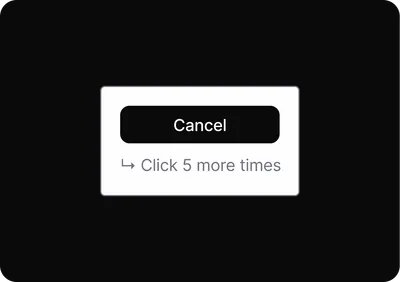
- Creating BarriersView pair →Deliberately complicating or restricting certain actions.
- Roach MotelView pair →Starting an action is easy, but leaving or reversing it is difficult.
- Adding StepsView pair →Requires users to complete extra, unnecessary interactions before finishing a task.
- ObstructionView pair →Adds unnecessary steps or barriers.
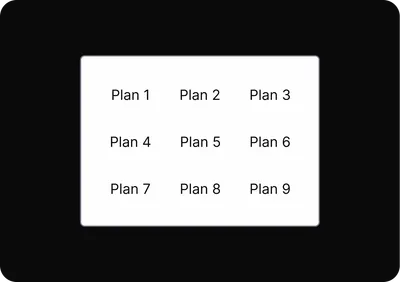
- Choice OverloadView pair →Presenting an excessive number of options can overwhelm users, leading to indecision, dissatisfaction, or regret.
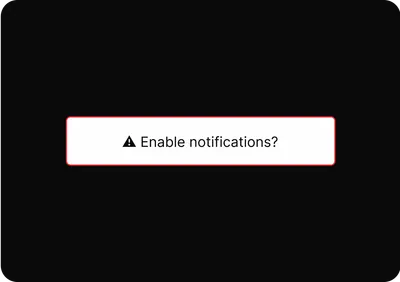
- NaggingView pair →Repeated interruptions distract users from their intended tasks, pressuring them to take unwanted actions or make decisions.