Unambiguous Choices
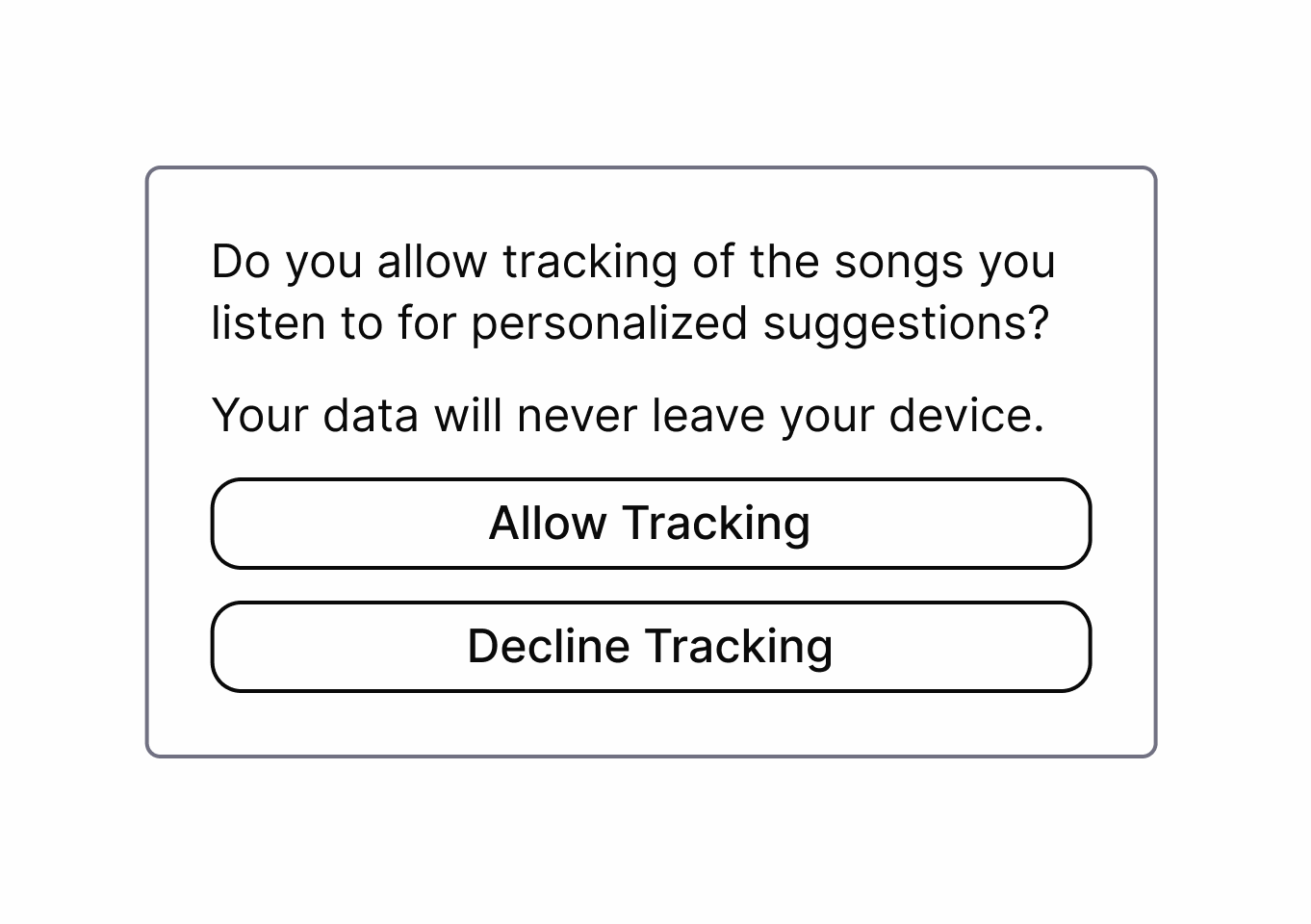
Design options in for example forms and pop-ups with simple, clear language so users know exactly what each action will do. This eliminates confusing or misleading options and supports informed decision making.
Symbiosis
Dark counterparts to this bright pattern
- (De)contextualizing CuesView pair →Information is presented in a way that confuses users or hides relevant details, making informed choices difficult.
- Trick QuestionsView pair →Uses confusing or misleading language to prompt users into making unintended or undesired choices.
- Feedforward AmbiguityView pair →It creates a mismatch between the information given and the actions available, leading users to outcomes they did not anticipate.
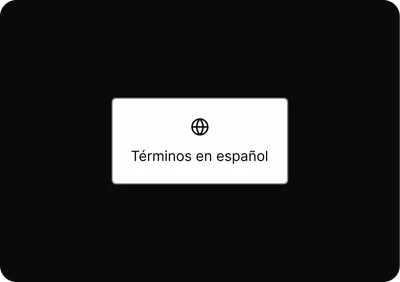
- Language InaccessibilityView pair →It uses overly complex or unfamiliar language to make instructions hard to understand, reducing informed user decisions.
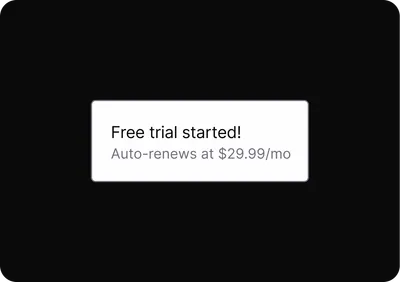
- Forced ContinuityView pair →Users are automatically charged for ongoing subscriptions after trials end, often without clear notice or easy cancellation.
- Forced RegistrationView pair →Users are required to provide personal information before accessing certain features, increasing data collection and lead generation.
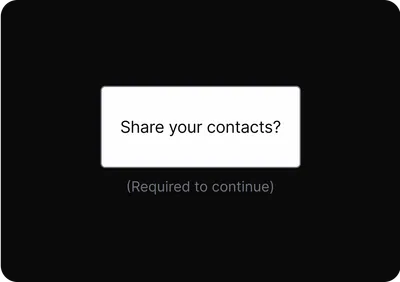
- Forced Communication or DisclosureView pair →Users are manipulated into providing more personal information than necessary or having their data used for unintended purposes.
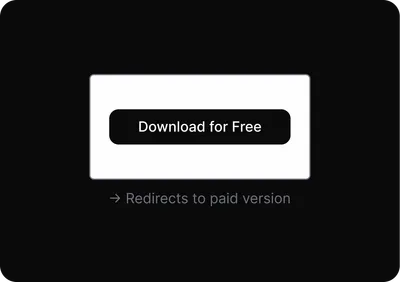
- Bait and SwitchView pair →It misleads users into taking an action by promising a desirable result, but delivers an unexpected, less favorable outcome.
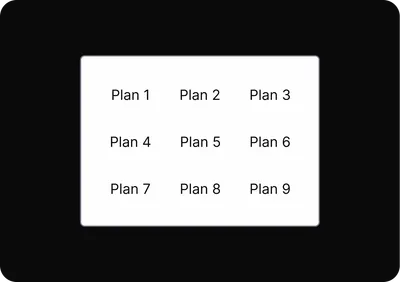
- Choice OverloadView pair →Presenting an excessive number of options can overwhelm users, leading to indecision, dissatisfaction, or regret.
contextualizing%20Cues.DrftjXAS_127TBt.webp)