- 3 High
- ·
- 19 Meso
No bright patterns match the selected filters.
Fairness
DetailsEnsures ethical treatment of users through transparent practices and respect for user autonomy.
- Details
Data Minimization
Minimizes data collection to only what is necessary with explicit user consent.
- Details
Plain and Empowering Language
Presents choices with neutral, respectful language that doesn't shame users for declining options or services.
- Details
Simple Consent
Provides clear, unambiguous consent mechanisms for data collection and use.
- Details
No False Scarcity
Avoid using deceptive urgency or fake scarcity messages to pressure user decisions.
- Details
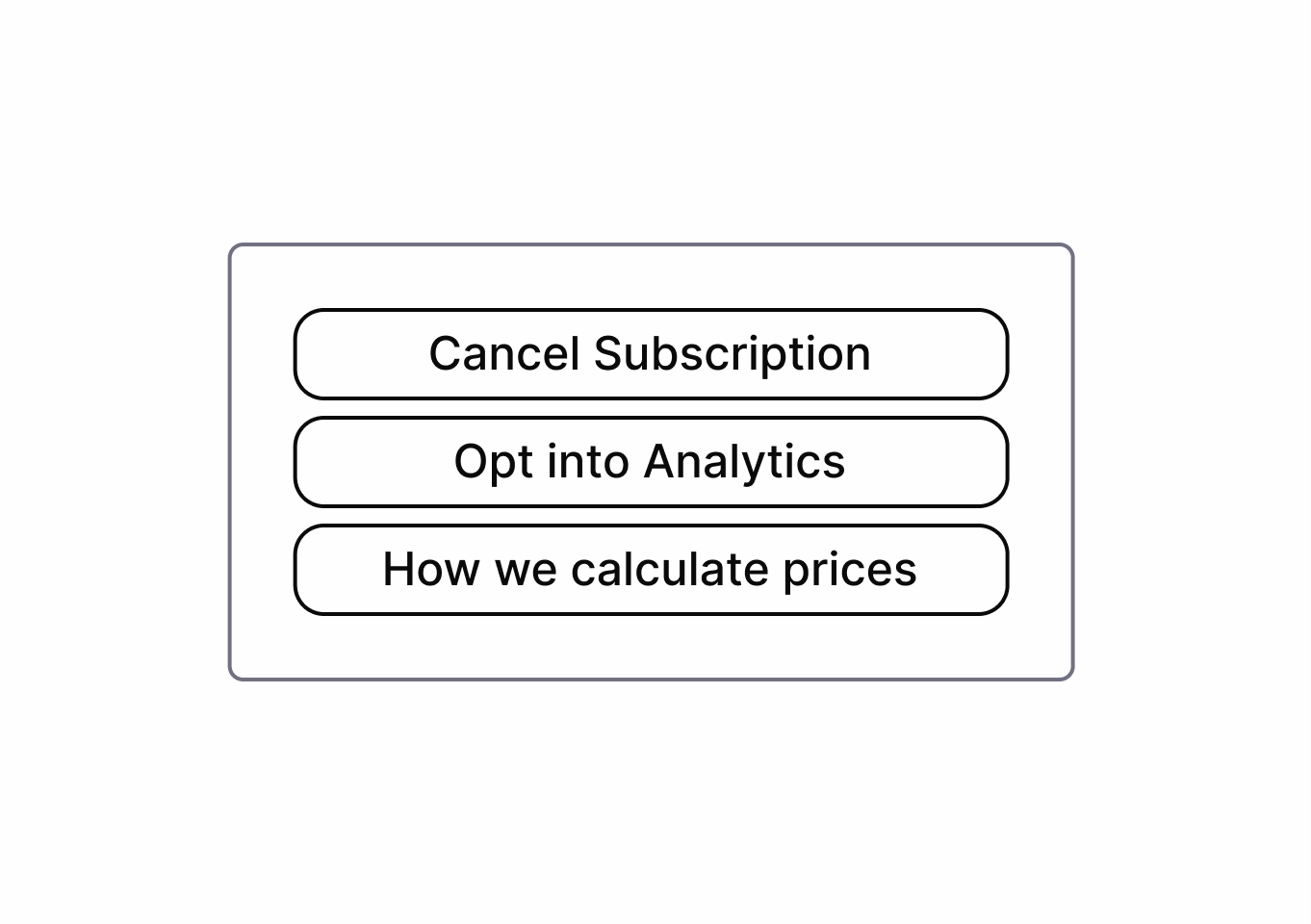
Unambiguous Choices
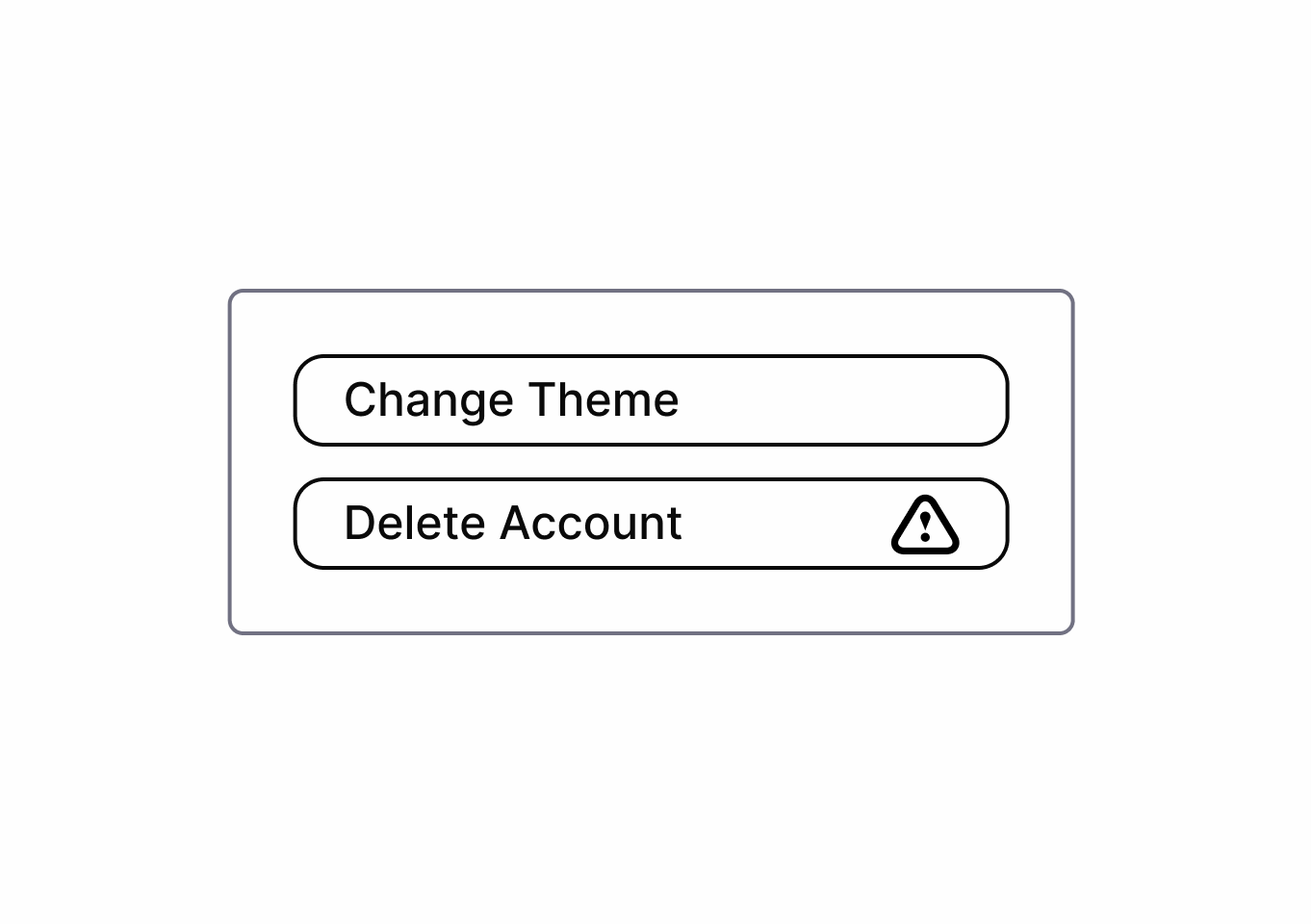
Design options with simple, clear language so users know exactly what each action will do.
- Details
Lean Processes
Keep processes as simple and short as possible for the user.
Nudging
DetailsPresents choices with neutral, respectful language that doesn't shame users for declining options or services.
- Details
Emphasize
Highlights and visually emphasizes user-friendly (beneficial) options instead of harmful ones.
- Details
Honest defaults
Sets default options that benefit users rather than business interests.
- Details
Slow down
Adds deliberate friction to prevent harmful or addictive behaviors through extra confirmation steps.
- Details
Right Hierarchy
Arranges choices to place the most user-beneficial option at the top of the hierarchy.
- Details
Outside my bubble/Contrarian's companion
Exposes users to diverse perspectives that challenge existing beliefs and preferences.
- Details
Usage limits
Limits usage time to healthy levels to promote digital well-being.
- Details
Healthy alternative/5-a-day
Suggests quality content that discourages mindless consumption while respecting user well-being.
Explainability
DetailsProvides clear, transparent information about system processes, data usage, and decision-making logic.
- Details
Data traces
Shows users traces and records of how their data is stored, shared, or accessed.
- Details
Cost transparency
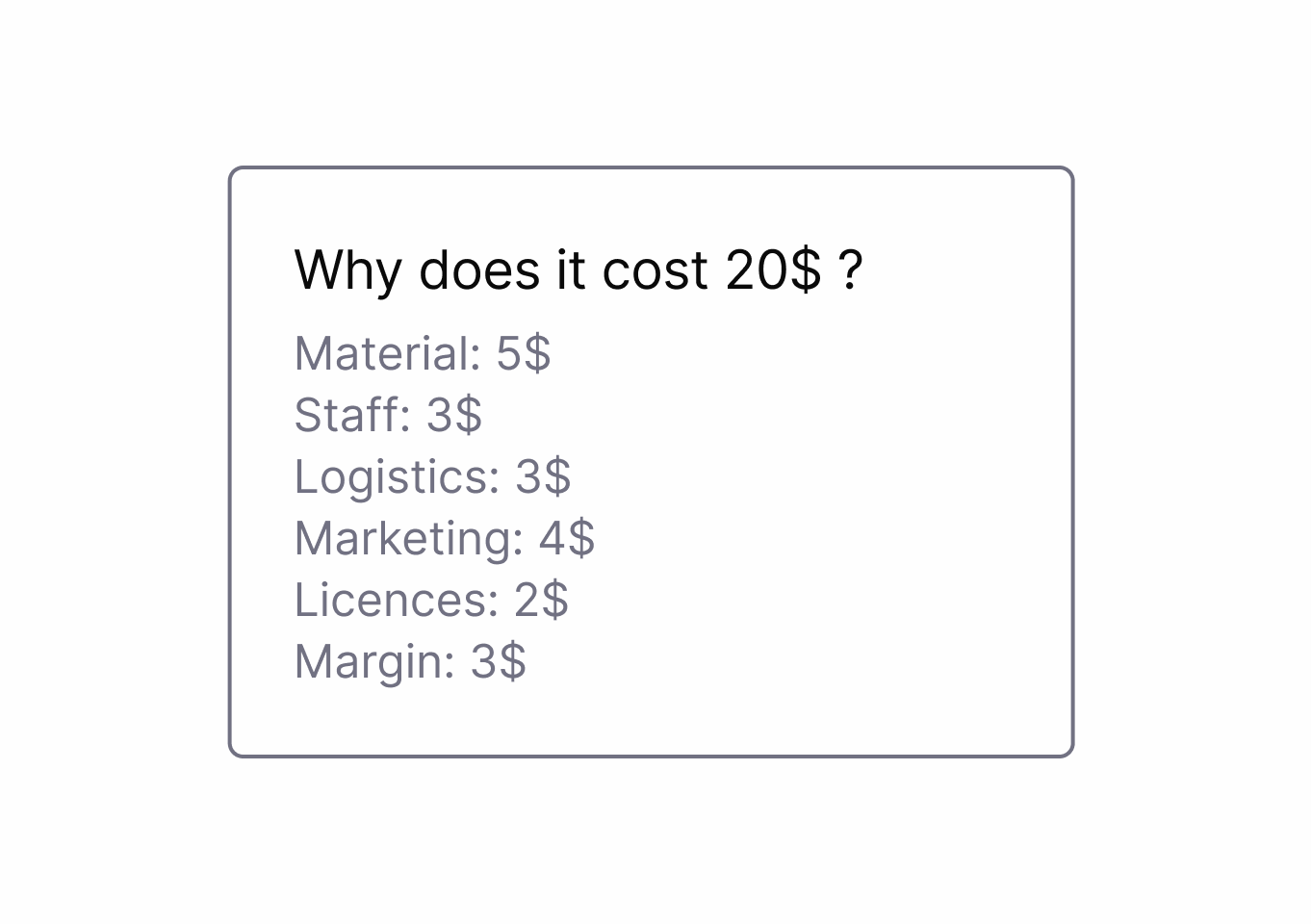
Shows detailed cost breakdowns respecting user curiosity and building trust.
- Details
Persona profiling
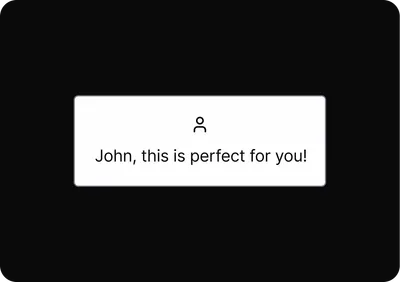
Transparently shows users how they are categorized and profiled by the system.
- Details
Nutrition labels
Provides clear overviews of content impact or data usage similar to food nutrition labels.
- Details
Dumb it down
Provides clear, understandable explanations of AI system processes and data usage.
- Details
Transparent recommender
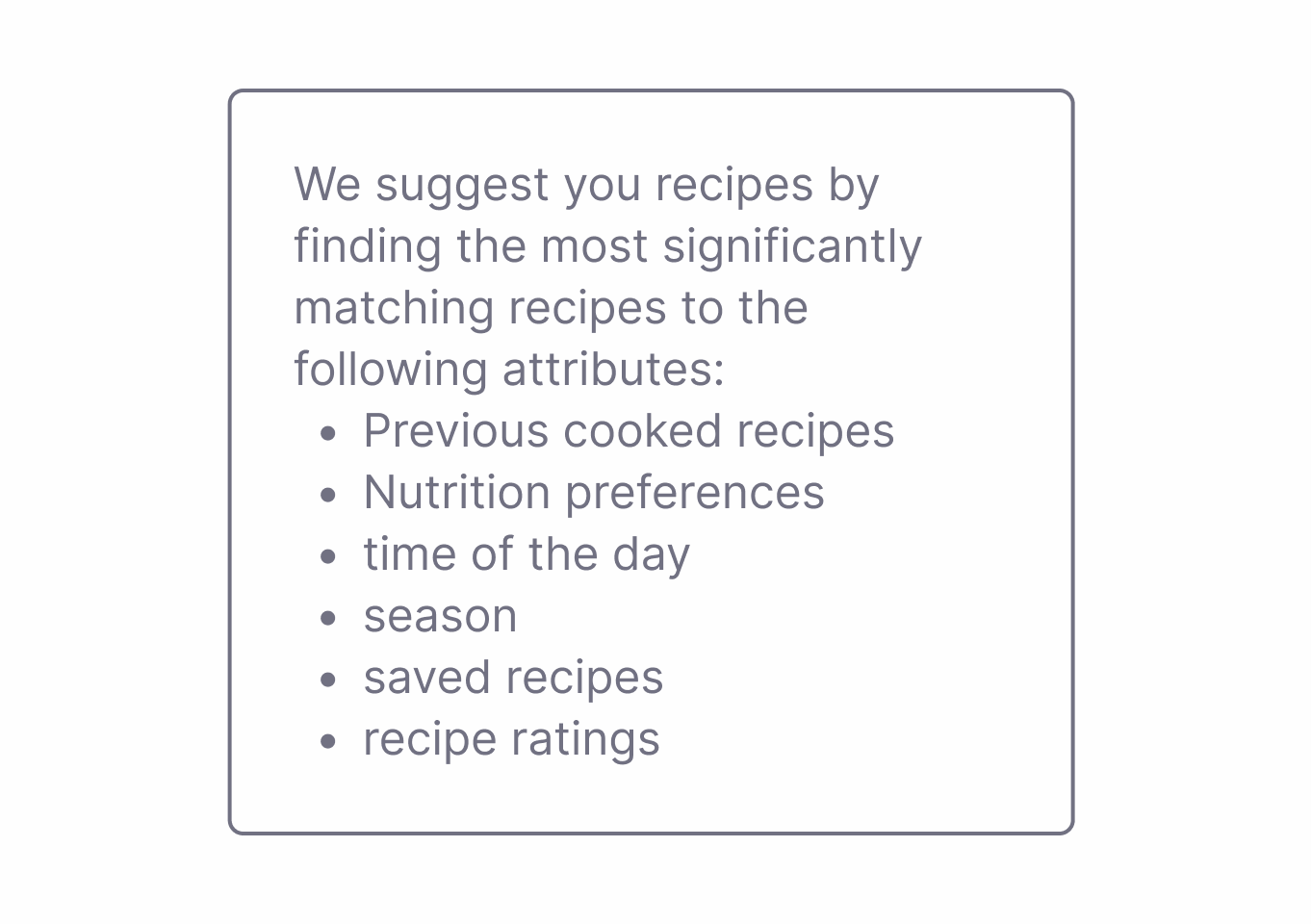
Reveals the logic and criteria behind recommendations to users.
Fairness
Fairness encompasses design patterns that treat users ethically and respectfully by minimizing data collection, providing clear consent mechanisms, transparent pricing, and easy exit options. This ensures users are not manipulated or deceived, and their choices are respected throughout their interaction with digital services.
Interaction Contexts
- settings
Supported Goals
- autonomy
Symbiosis
Dark counterparts to this bright pattern
-
 Social EngineeringView pair →Exploit cognitive biases to increase the likelihood of a desired action.
 -
 SneakingView pair →Hides or delays revealing crucial information.
 -
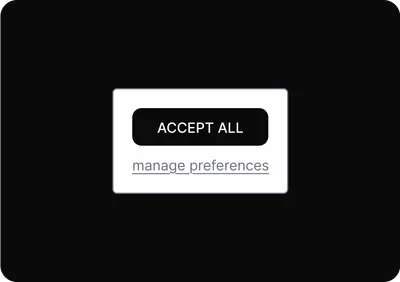 Interface InterferenceView pair →Make certain actions easier to find or perform while confusing or hiding alternatives.
 -
 Forced ActionView pair →Require an unrelated step before an action
Sources
Data Minimization
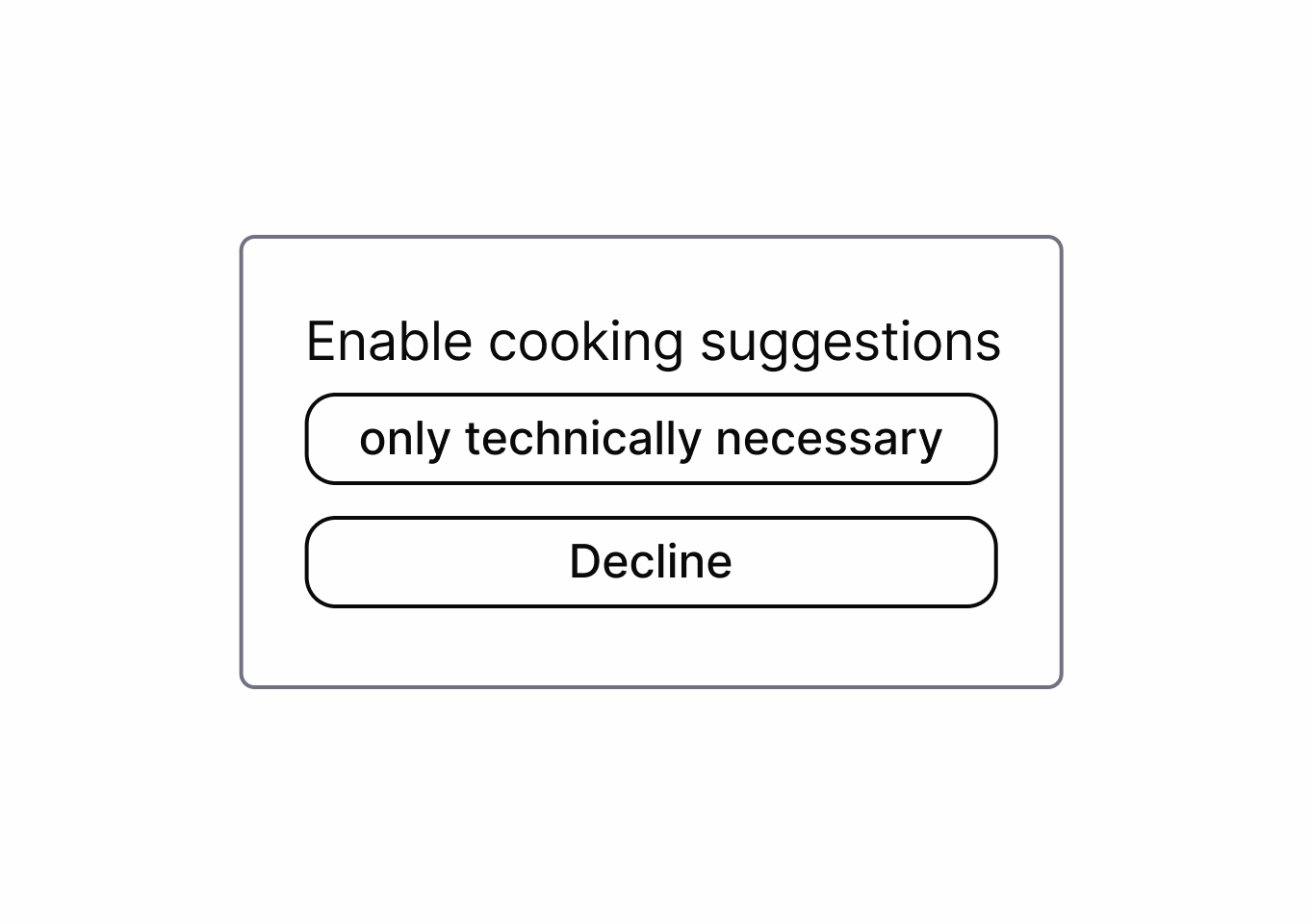
Only collects and processes the minimum amount of user data necessary for the stated purpose, with explicit user permission.
Interaction Contexts
- settings
Supported Goals
- autonomy
Symbiosis
Dark counterparts to this bright pattern
Sources
Plain and Empowering Language
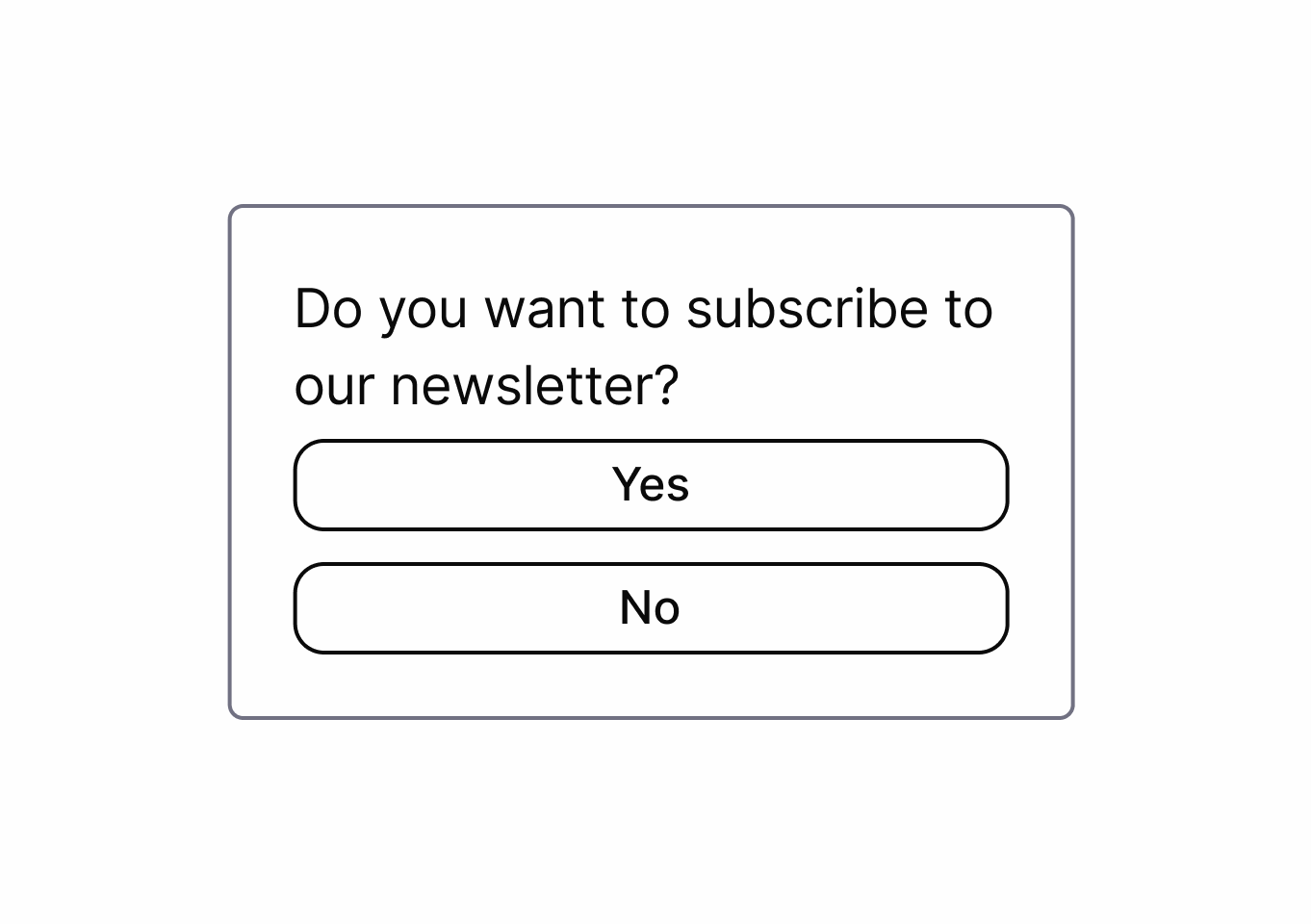
Language is so clear that users easily find what they need, understand it upon first reading, and understand the consequence of their choices. In addition, language is designed for accessibility and usability, e.g. small portions of text at the right time of the user journey. When certain legalistic terms are mandatory, an information bubble in plain language is provided.
Interaction Contexts
- settings
Supported Goals
- clarity
- autonomy
Symbiosis
Dark counterparts to this bright pattern
-
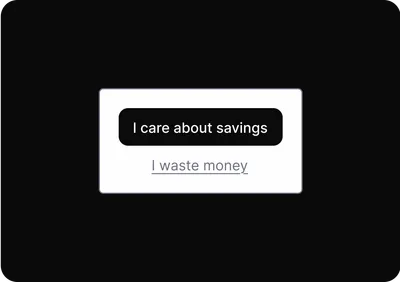 ShamingView pair →Uses emotional pressure to make users feel guilty or inadequate if they do not choose a specific option.
 -
 Emotional or Sensory ManipulationView pair →Design elements are intentionally altered to trigger emotions or sensory responses that steer users toward a desired action.
 -
 GamificationView pair →It uses rewards, points, or progress mechanics to drive repeated engagement, often encouraging actions beyond user intent.
Sources
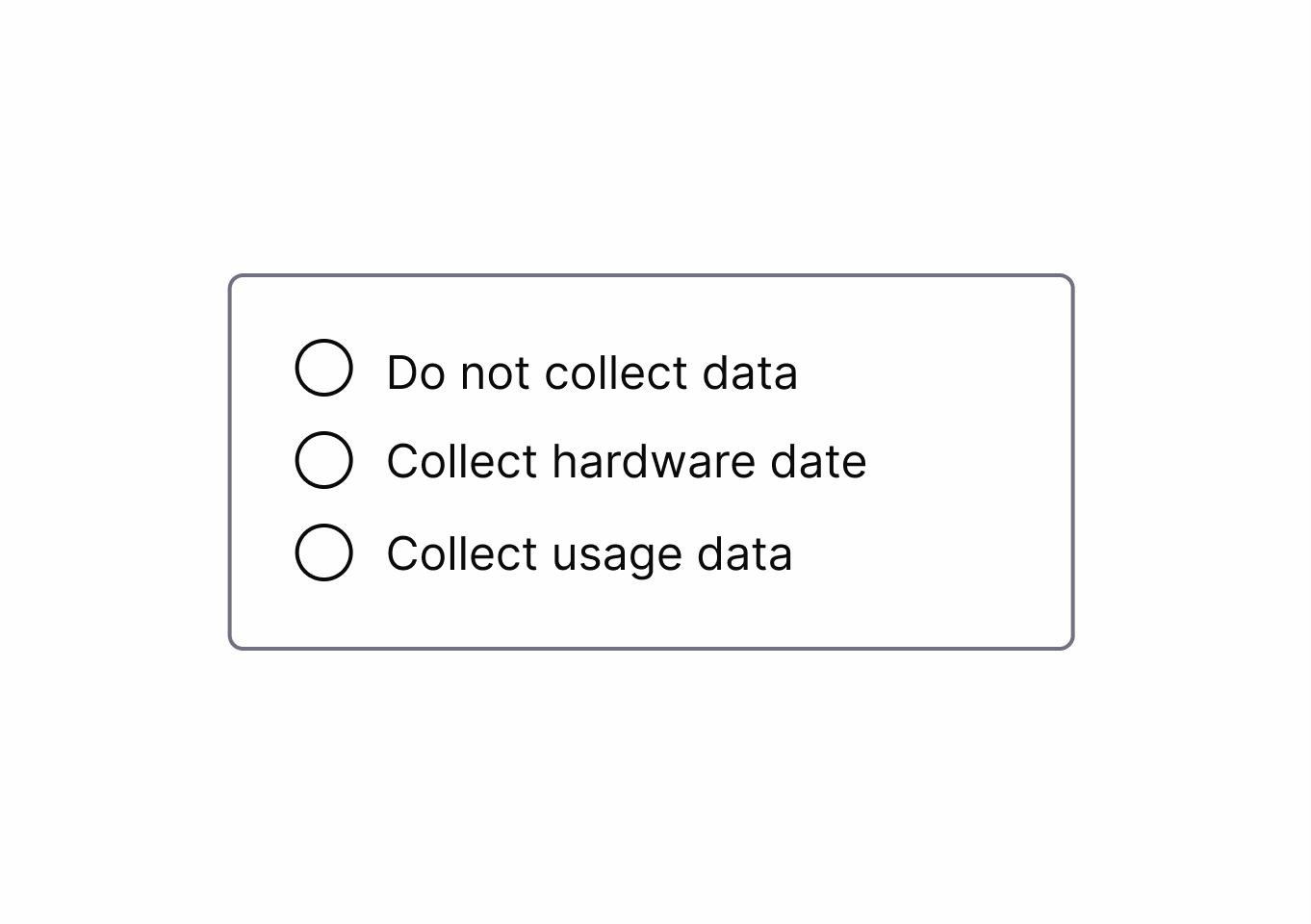
Simple Consent
This pattern involves obtaining clear and unambiguous consent from the user before collecting, using, or sharing their personal data. This can involve providing clear explanations of how the data will be used and providing easy-to-use options for opting in or out.
Supported Goals
- transparency
- control
Symbiosis
Dark counterparts to this bright pattern
Sources
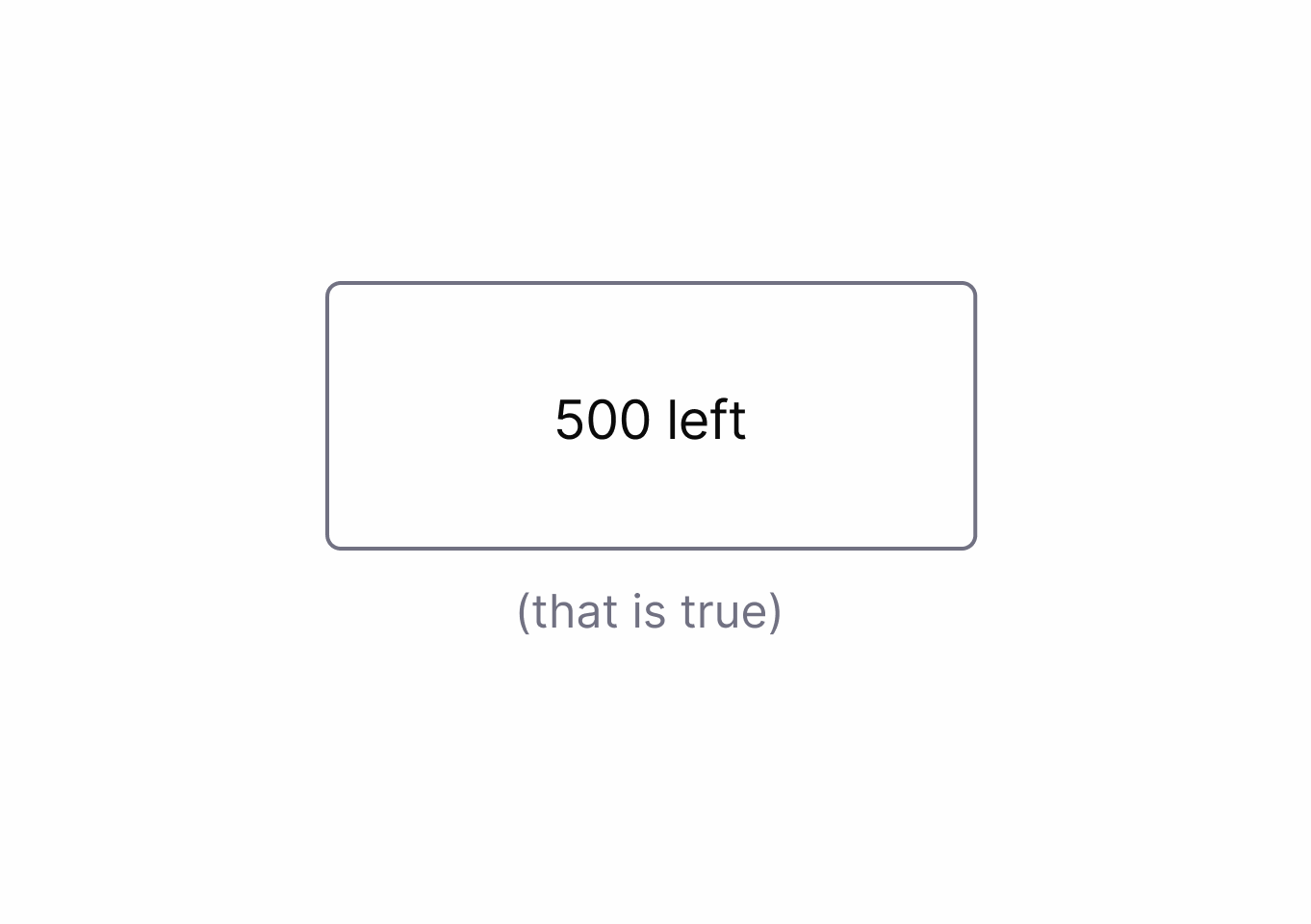
No False Scarcity
Do not display false low-stock or urgency notifications. Let users browse and select products at their own pace without manipulation or stress from artificial time-limited messages. This maintains honesty and does not exploit consumers’ decision-making biases.
Symbiosis
Dark counterparts to this bright pattern
-
 Scarcity and Popularity ClaimsView pair →It pressures users to buy quickly by presenting products as highly sought-after or in limited supply, increasing urgency and perceived value.
 -
 UrgencyView pair →It accelerates user decisions by prompting immediate action through time-sensitive or limited availability cues.
Sources
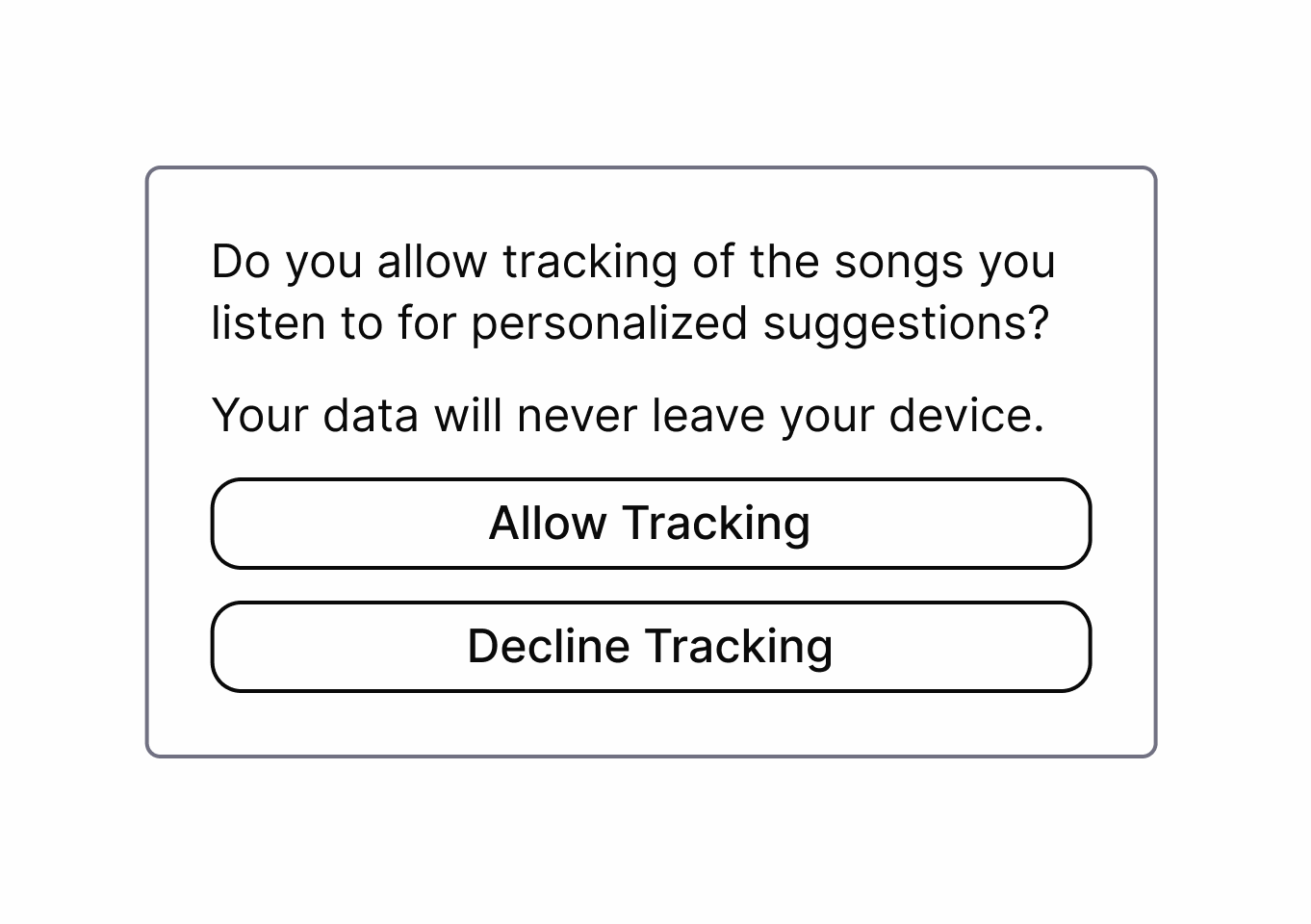
Unambiguous Choices
Design options in for example forms and pop-ups with simple, clear language so users know exactly what each action will do. This eliminates confusing or misleading options and supports informed decision making.
Symbiosis
Dark counterparts to this bright pattern
-
contextualizing%20Cues.DrftjXAS_127TBt.webp) (De)contextualizing CuesView pair →Information is presented in a way that confuses users or hides relevant details, making informed choices difficult.
(De)contextualizing CuesView pair →Information is presented in a way that confuses users or hides relevant details, making informed choices difficult. -
 Trick QuestionsView pair →Uses confusing or misleading language to prompt users into making unintended or undesired choices.
 -
 Feedforward AmbiguityView pair →It creates a mismatch between the information given and the actions available, leading users to outcomes they did not anticipate.
 -
 Language InaccessibilityView pair →It uses overly complex or unfamiliar language to make instructions hard to understand, reducing informed user decisions.
 -
 Forced ContinuityView pair →Users are automatically charged for ongoing subscriptions after trials end, often without clear notice or easy cancellation.
 -
 Forced RegistrationView pair →Users are required to provide personal information before accessing certain features, increasing data collection and lead generation.
 -
 Forced Communication or DisclosureView pair →Users are manipulated into providing more personal information than necessary or having their data used for unintended purposes.
 -
 Bait and SwitchView pair →It misleads users into taking an action by promising a desirable result, but delivers an unexpected, less favorable outcome.
 -
 Choice OverloadView pair →Presenting an excessive number of options can overwhelm users, leading to indecision, dissatisfaction, or regret.
Sources
Lean Processes
Processes should be as simple and short as technically possible for the user. Design userflows in a way that a user can still fully graps and if needed decide on an action, but keep unneeded additional steps away that could possibly confuse or manipulate the user.
Interaction Contexts
- checkout
- selection
- settings
Supported Goals
- clarity
- control
- satisfaction
- transparency
Symbiosis
Dark counterparts to this bright pattern
-
 Creating BarriersView pair →Deliberately complicating or restricting certain actions.
 -
 Roach MotelView pair →Starting an action is easy, but leaving or reversing it is difficult.
 -
 Adding StepsView pair →Requires users to complete extra, unnecessary interactions before finishing a task.
 -
 ObstructionView pair →Adds unnecessary steps or barriers.
 - Choice OverloadView pair →Presenting an excessive number of options can overwhelm users, leading to indecision, dissatisfaction, or regret.
-
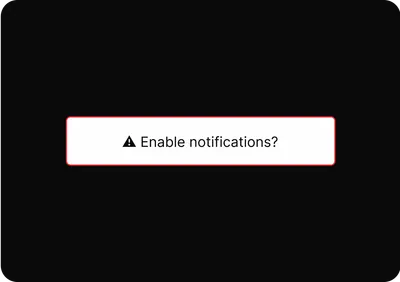 NaggingView pair →Repeated interruptions distract users from their intended tasks, pressuring them to take unwanted actions or make decisions.
Sources
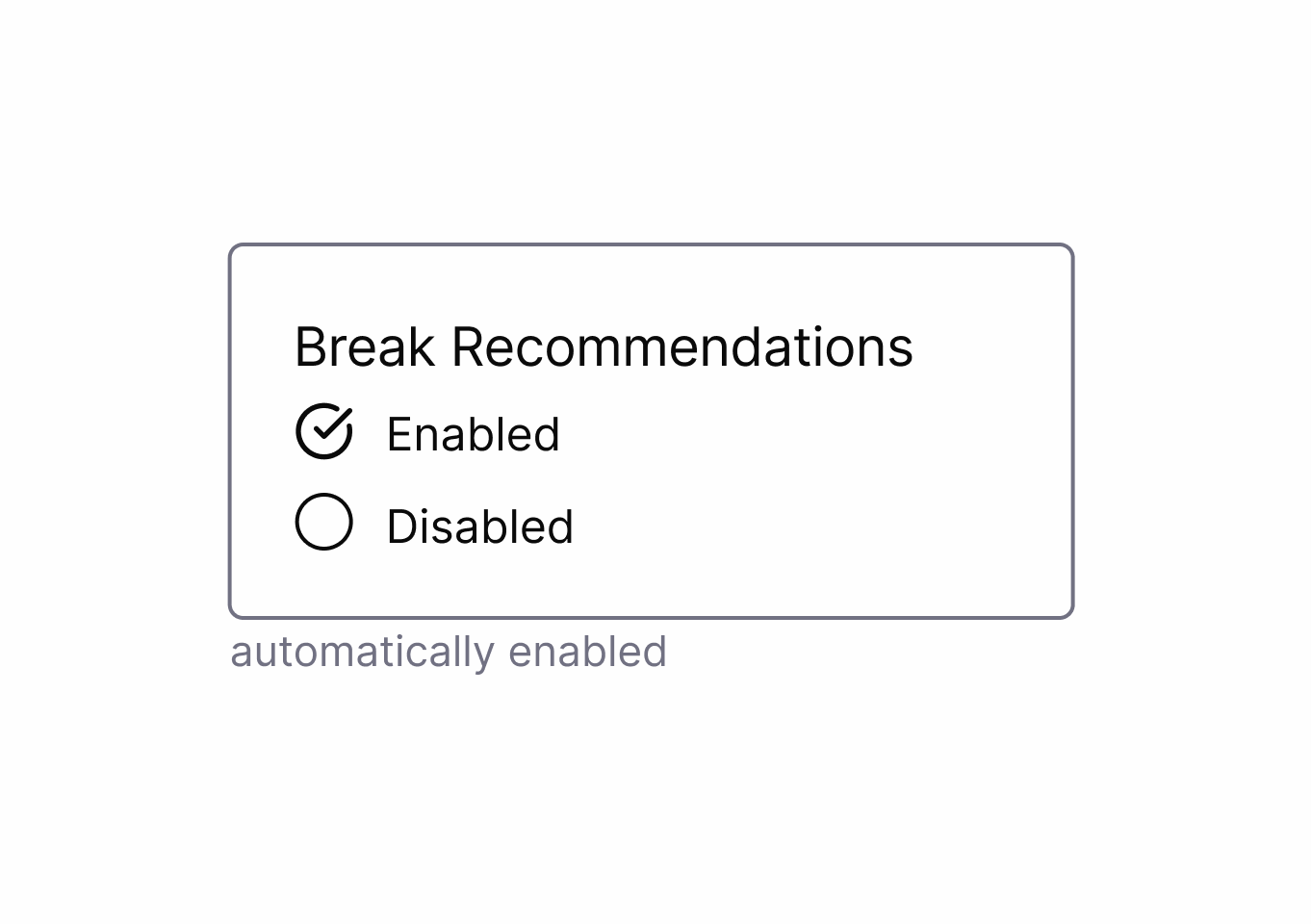
Nudging
Language is so clear that users easily find what they need, understand it upon first reading, and understand the consequence of their choices. In addition, language is designed for accessibility and usability, e.g. small portions of text at the right time of the user journey. When certain legalistic terms are mandatory, an information bubble in plain language is provided.
Interaction Contexts
- settings
Supported Goals
- clarity
- autonomy
Sources
Emphasize
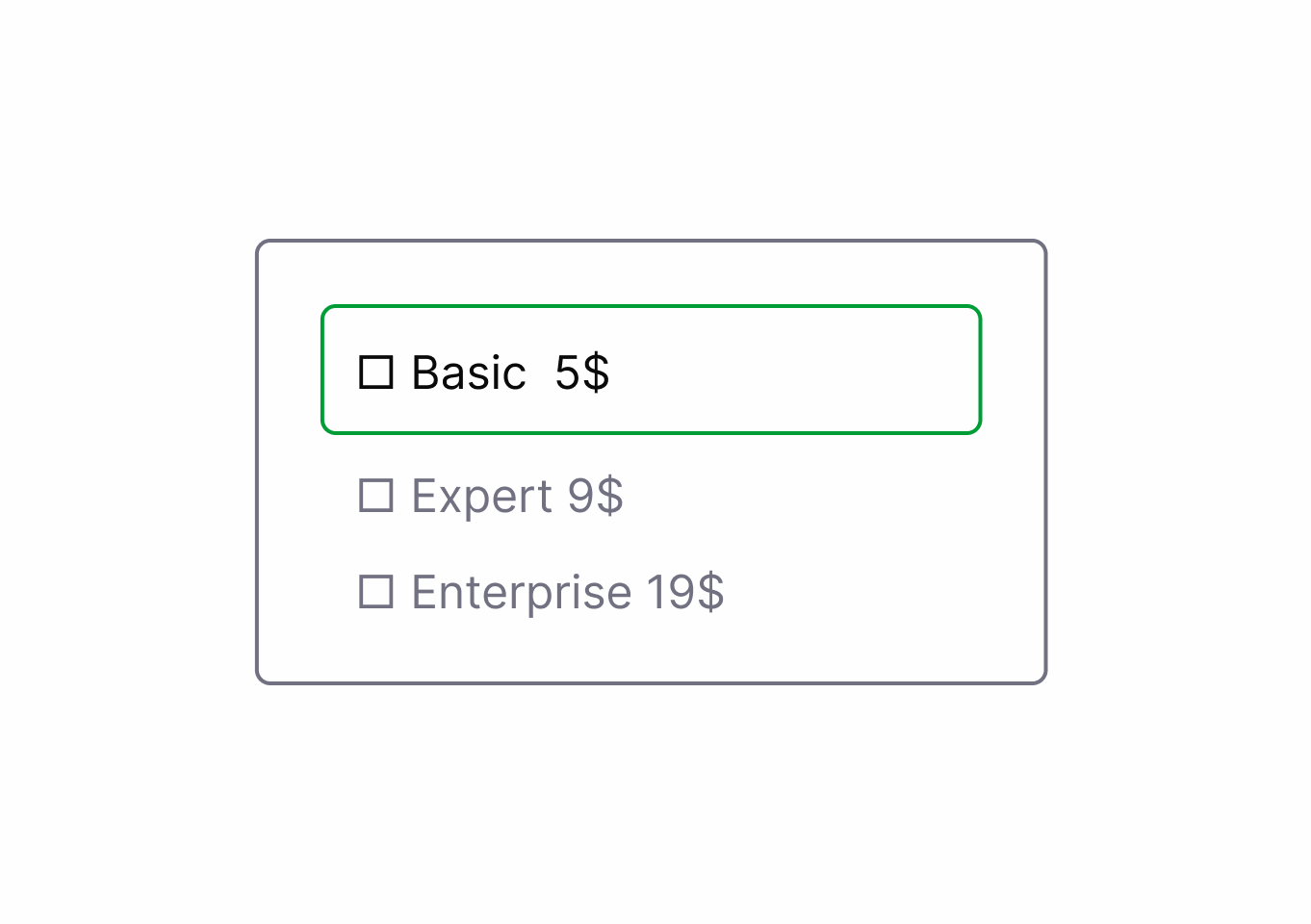
Emphazise (Bright Visual Interference) makes the user-friendly option more visually prominent through color, contrast, or button style. This de-emphasizes less desirable or more harmful options.
For example, in the checkout process, the 'standard' (free, user-beneficial) delivery option was highlighted instead of a premium paid option, nudging users toward a choice that serves their best interest. This mirrored the way dark pattern visual interference would highlight a user-hostile option, to prioritize user well-being.
Interaction Contexts
- selection
- settings
Supported Goals
- clarity
- autonomy
Symbiosis
Dark counterparts to this bright pattern
Sources
Honest defaults
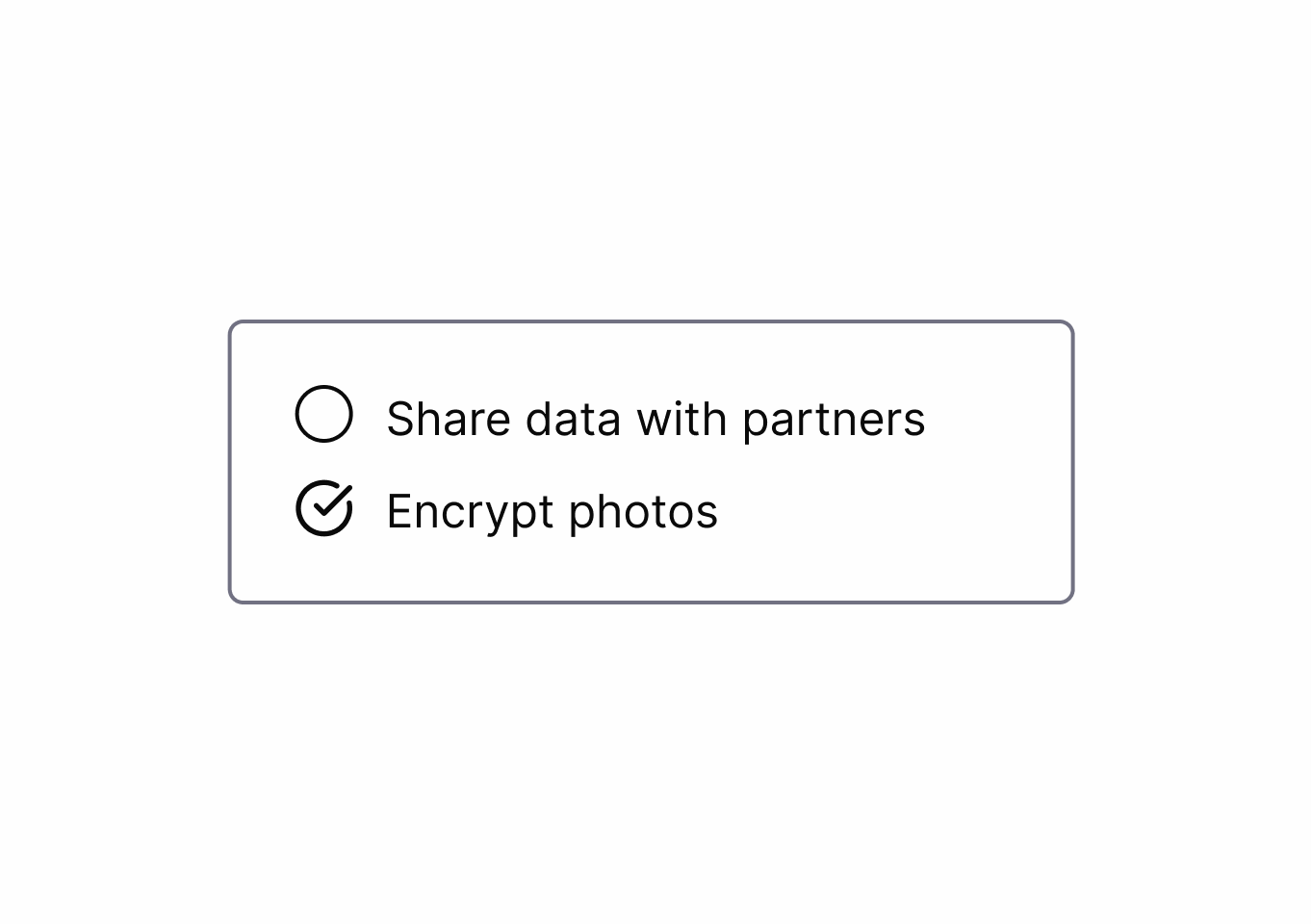
This pattern involves setting default options that are in the best interest of the user, rather than the business. For example, a default option to unsubscribe from marketing emails may be provided, rather than requiring users to opt-out.
Interaction Contexts
- settings
- checkout
Supported Goals
- transparency
- control
Symbiosis
Dark counterparts to this bright pattern
-
 Manipulating Choice ArchitectureView pair →Arranges or highlights options to steer users toward a particular outcome, often making alternative choices less visible or appealing.
 -
 Bad DefaultsView pair →Default settings are configured to favor the service provider, often exposing users to risks or unwanted actions unless manually changed.
Sources
Slow down
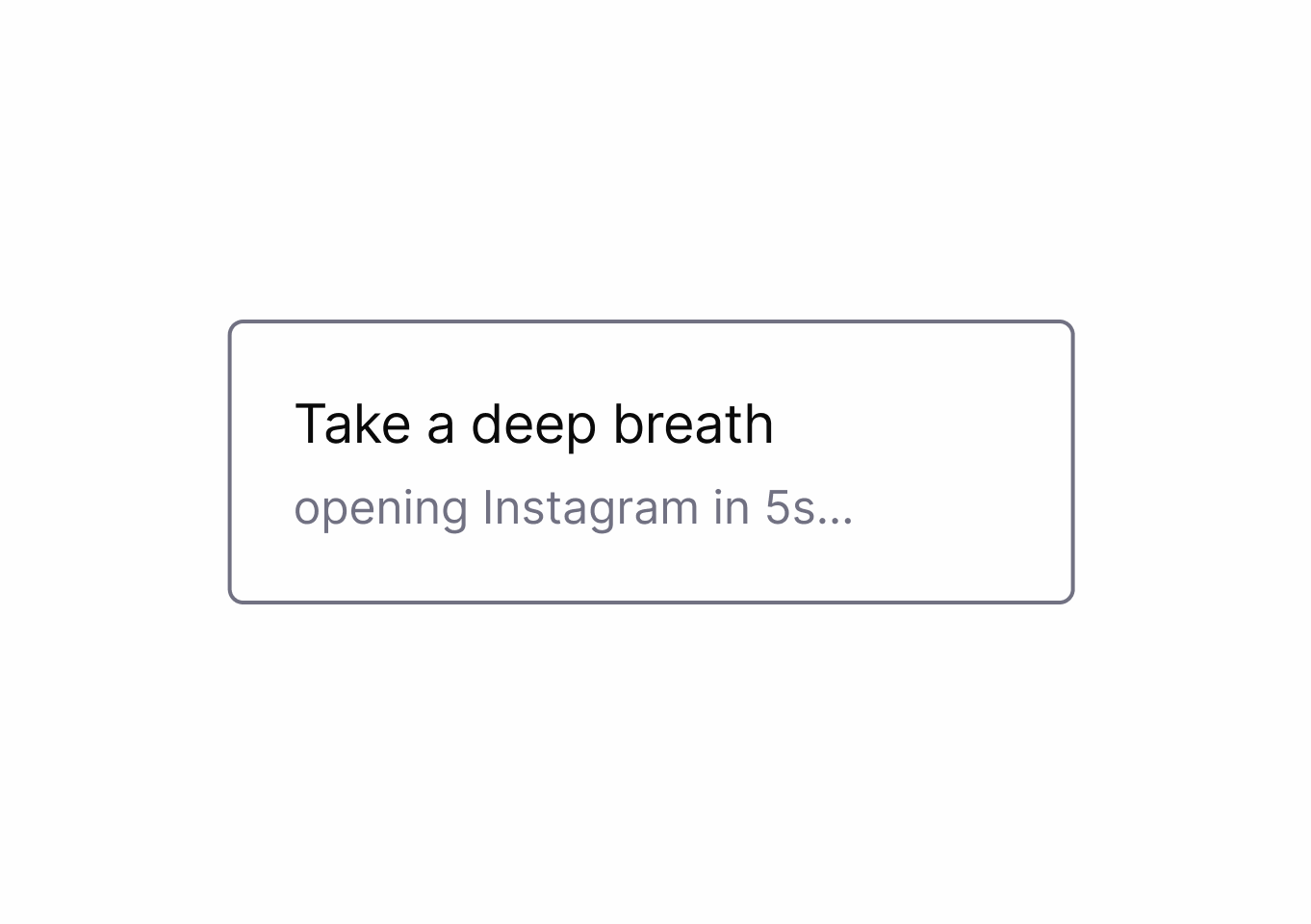
This pattern involves friction in interaction by adding extra steps or barriers to prevent users from engaging in harmful or addictive behaviors. For example, a social media app may require users to confirm their intention before posting a potentially toxic comment, or an app intentionally take longer to open up.
Interaction Contexts
- social media
Sources
Right Hierarchy
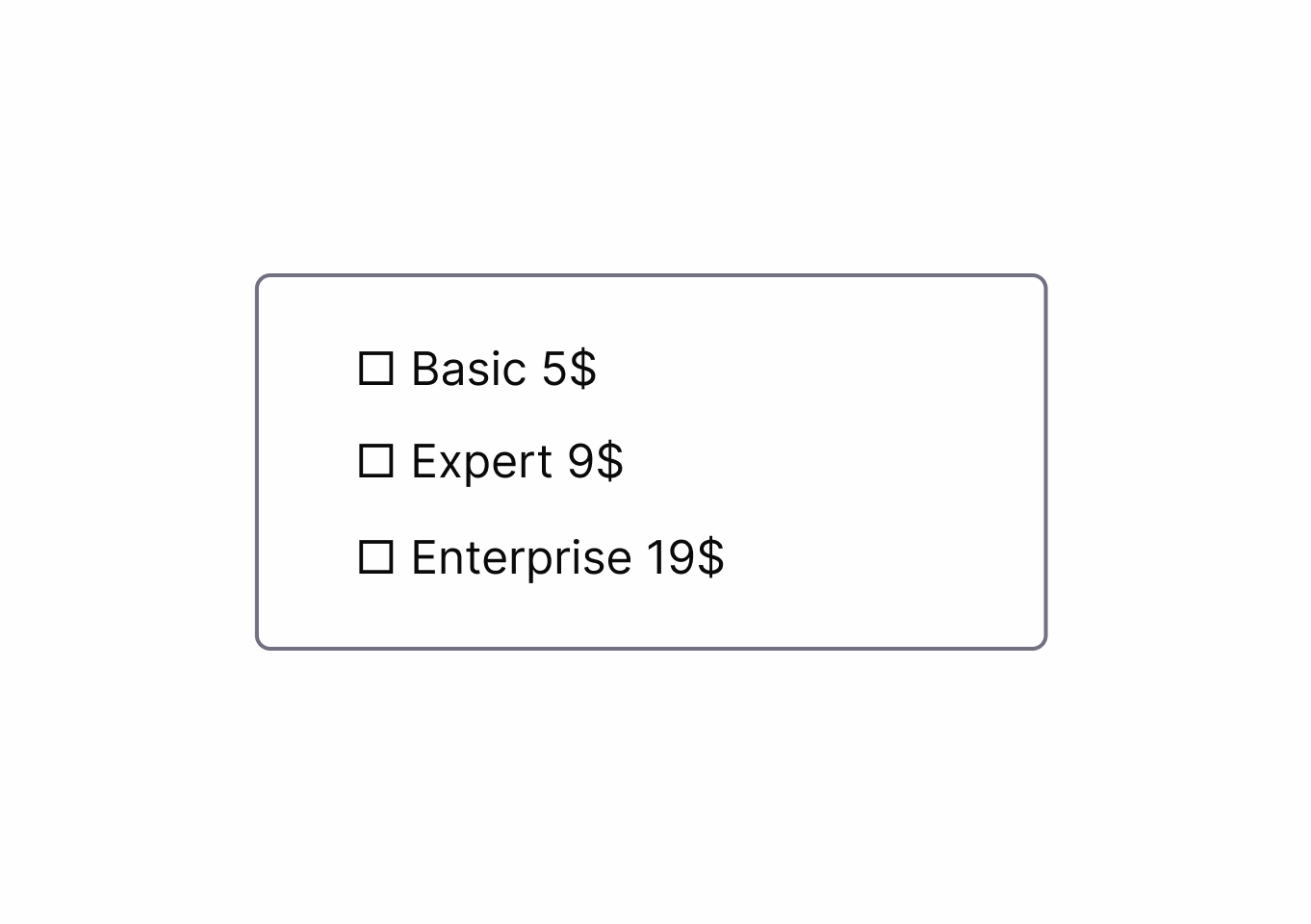
Right Hierarchy describes structurally and visually ordering options so that the safest, most user-friendly, or most cost-effective choice is listed in the most prominent position (typically the top) in a menu, list, or set of radio buttons. By contrast, dark patterns often elevate user-hostile options.
Interaction Contexts
- settings
Symbiosis
Dark counterparts to this bright pattern
Sources
Outside my bubble/Contrarian's companion
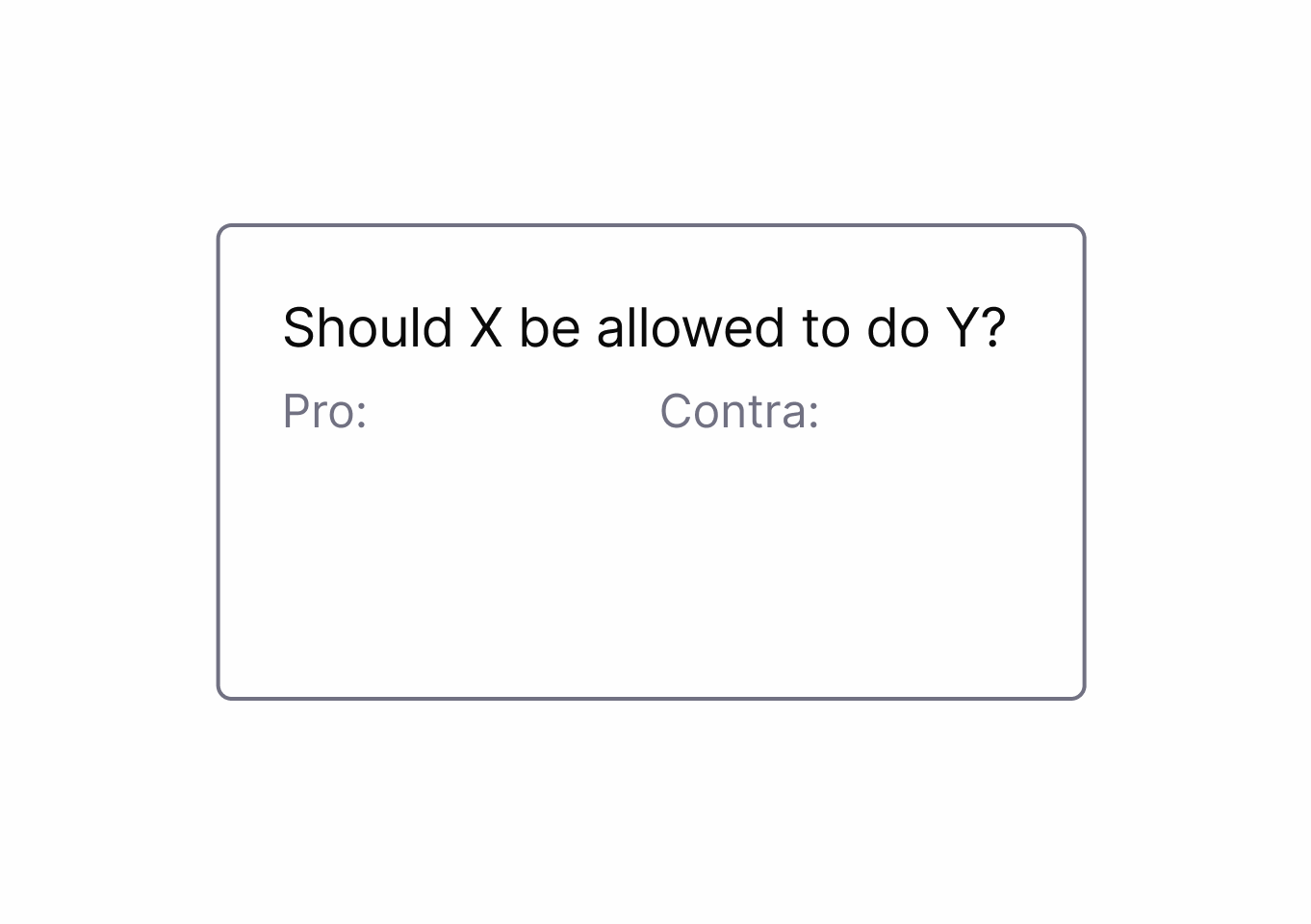
This pattern involves exposing users to different perspectives or opinions that challenge their existing beliefs or preferences. For example, a news aggregator may show users articles from diverse sources.
Interaction Contexts
- social media
Sources
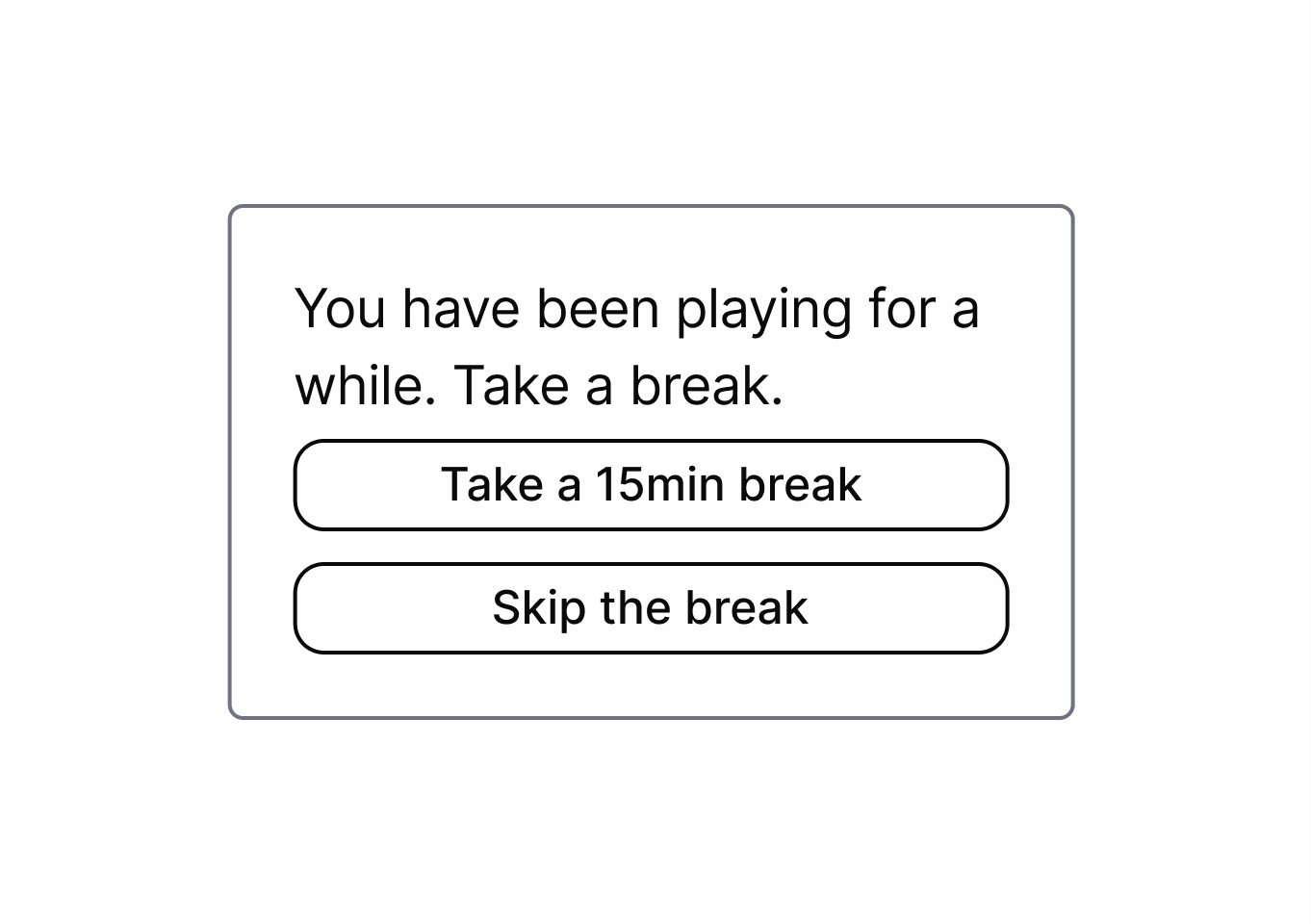
Usage limits
Often implemented in external well-being and child control apps, these are patterns within apps that limit usage time to healthy levels.
Symbiosis
Dark counterparts to this bright pattern
-
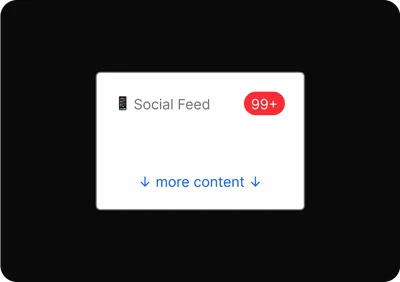 Attention CaptureView pair →Designs use psychological triggers and interface tricks to keep users engaged longer than they intended, reducing their sense of control.
 - GamificationView pair →It uses rewards, points, or progress mechanics to drive repeated engagement, often encouraging actions beyond user intent.
Sources
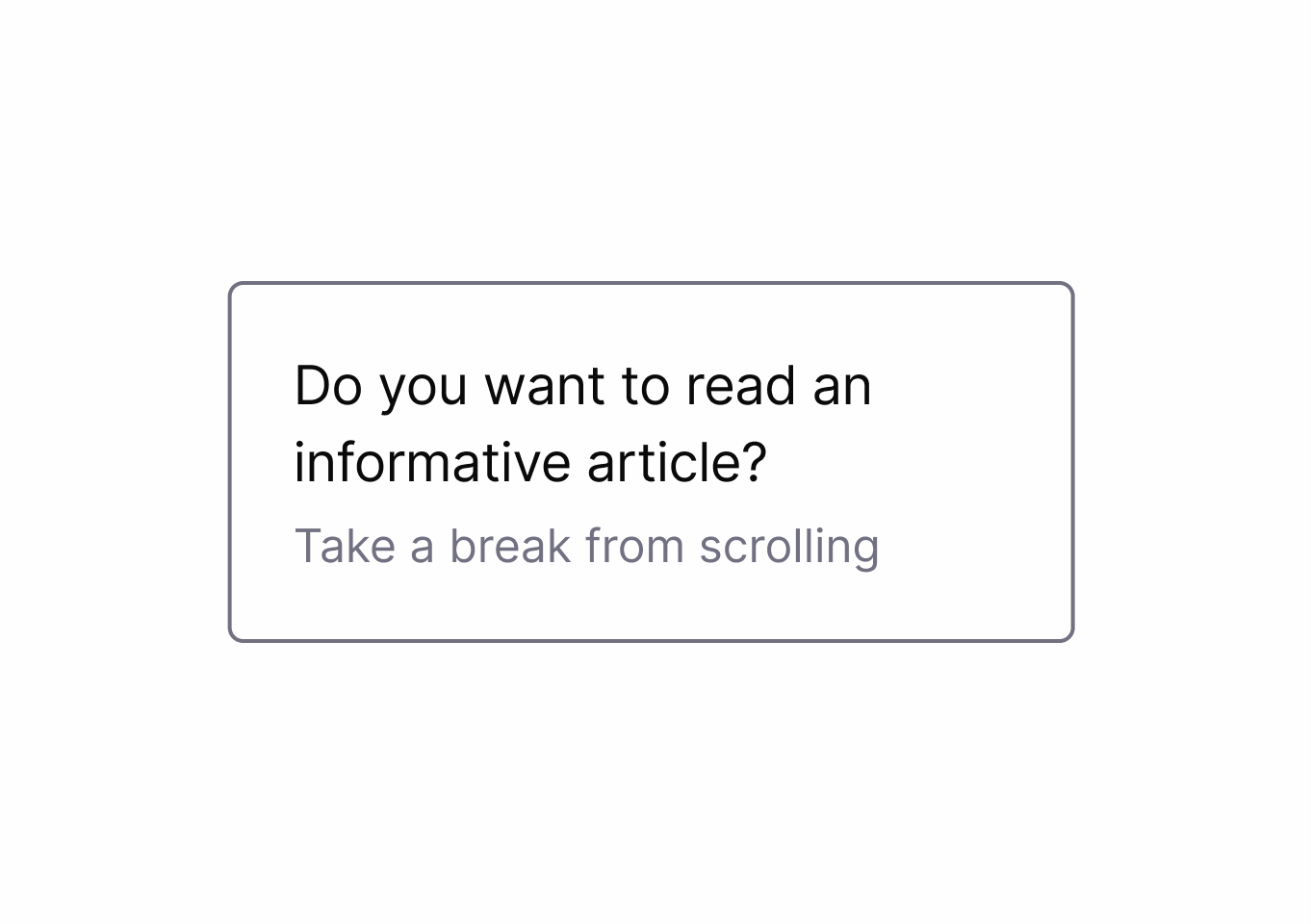
Healthy alternative/5-a-day
The platform suggests higher quality content that is still of interest to the user, but may discourage mindless usage. This pattern respects the users well-being and attention, and does not try to exploit their curiosity or boredom into consuming more content than they need or want.
Symbiosis
Dark counterparts to this bright pattern
Sources
Explainability
Explainability encompasses design patterns that make system operations, data handling, and algorithmic decisions transparent and understandable to users. This includes showing data traces, revealing recommendation logic, providing clear cost breakdowns, and explaining AI processes in accessible language. These patterns build trust and empower users to make informed decisions about their interactions with digital systems.

Interaction Contexts
- checkout
- settings
- social media
Supported Goals
- clarity
- transparency
- satisfaction
Symbiosis
Dark counterparts to this bright pattern
-
 Hiding InformationView pair →Withholds or delays key details, making it harder for users to make fully informed decisions during their interaction.
 -
 Hidden InformationView pair →Relevant details or options are concealed or presented as unimportant, making it harder for users to access or recognize them.
 - Interface InterferenceView pair →Make certain actions easier to find or perform while confusing or hiding alternatives.
Sources
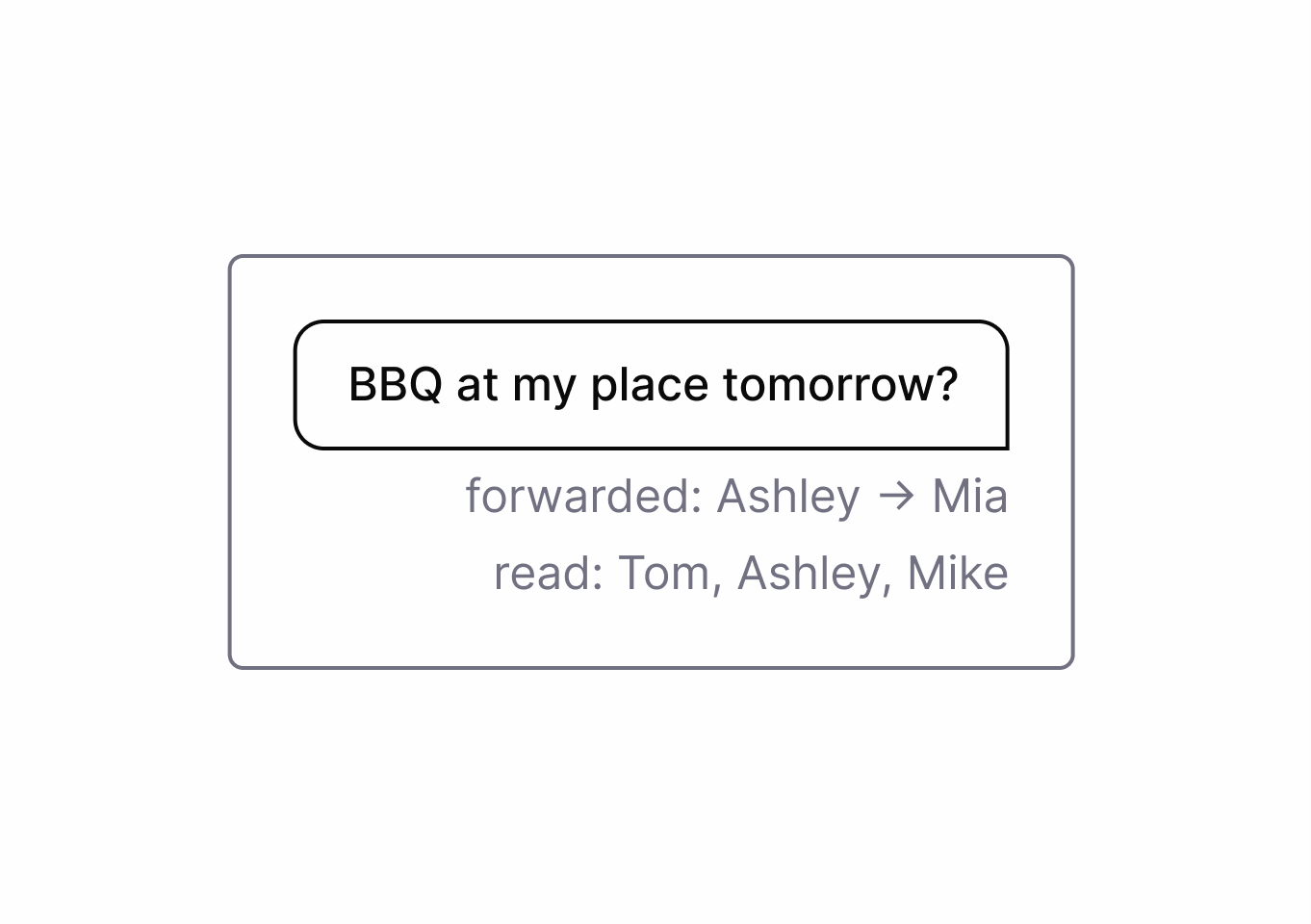
Data traces
This pattern involves showing users the traces or records of their data that are stored, shared, or accessed by an app or website. For example, a messaging app may show users when their messages are read, forwarded, or deleted by others.
Supported Goals
- transparency
Sources
Cost transparency
This pattern involves showing users the detailed breakdown of the costs involved in producing and selling a product or service. This pattern respects the users curiosity and trust, and does not try to hide or inflate the margins or profits of the vendor.
Interaction Contexts
- checkout
Symbiosis
Dark counterparts to this bright pattern
- Hiding InformationView pair →Withholds or delays key details, making it harder for users to make fully informed decisions during their interaction.
- Forced ContinuityView pair →Users are automatically charged for ongoing subscriptions after trials end, often without clear notice or easy cancellation.
Sources
Persona profiling
The app or website transparently informs users of the categories or groups they are being placed into based on their data, allowing them to better understand how they are being profiled and how their experience may differ from other users.

Supported Goals
- transparency
Symbiosis
Dark counterparts to this bright pattern
Sources
Nutrition labels
The nutrition label is a design element that provides users with a clear and transparent overview about the content or impact of a particular action, decision, or data. These are becoming common in AI dataset documentation.
Supported Goals
- clarity
- transparency
Symbiosis
Dark counterparts to this bright pattern
Sources
Dumb it down
This pattern involves providing users with clear and understandable explanations of how their data is processed or used by an AI system. These explanations can be visual, personalized, and even counterfactual.
Supported Goals
- clarity
- satisfaction
Sources
Transparent recommender
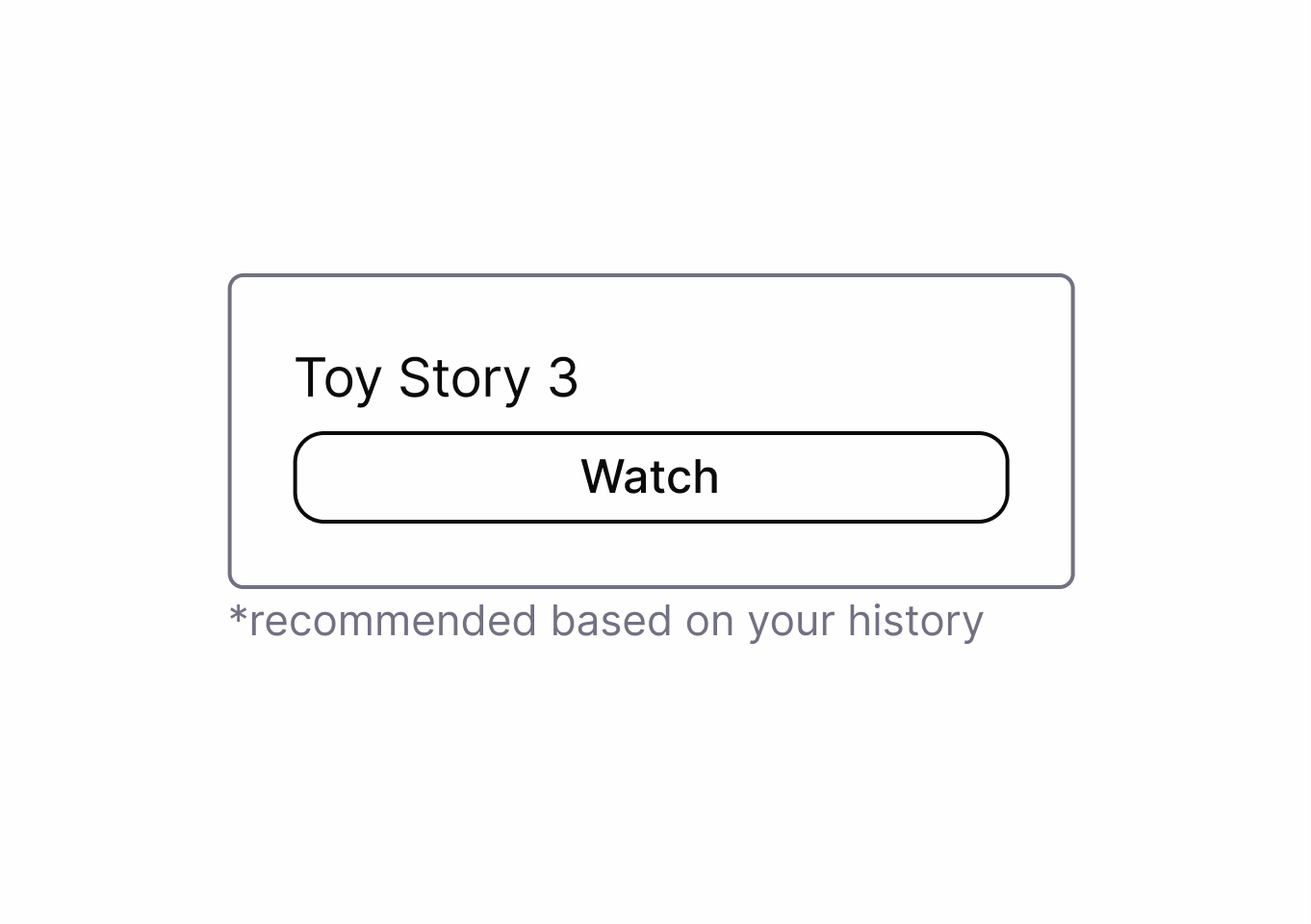
This pattern involves revealing the logic or criteria behind the recommendations or suggestions that are provided to the user. For example, a streaming service may explain why a certain show or movie is recommended based on the users preferences, ratings, or viewing history.
Interaction Contexts
- social media
Supported Goals
- transparency
- satisfaction
Symbiosis
Dark counterparts to this bright pattern
Sources
Pattern Levels
Source not found.
Approach: semantic vs flipping
Two different approaches to Bright Patterns:
1
Semantic Approach
This approach is used by Sandhaus. It defines concrete Bright Patterns for specific contexts — for example the Bright Pattern "Usage Limits", which describes an interface that restricts the usage time of a service to a healthy level.
2
Flipping Dark Patterns
The original way the term "Bright Pattern" was introduced: the direction of the manipulation is switched from harming the user to being user-friendly. For example, instead of highlighting the option that harms the user, the user-friendly option is highlighted.
Source: