Dark Patterns Symbiosis Bright Patterns
Dark Pattern ›

Interface Interference

Interface Interference is a strategy which privileges specific actions over others through manipulation of the user interface, thereby confusing the user or limiting discoverability of relevant action possibilities.
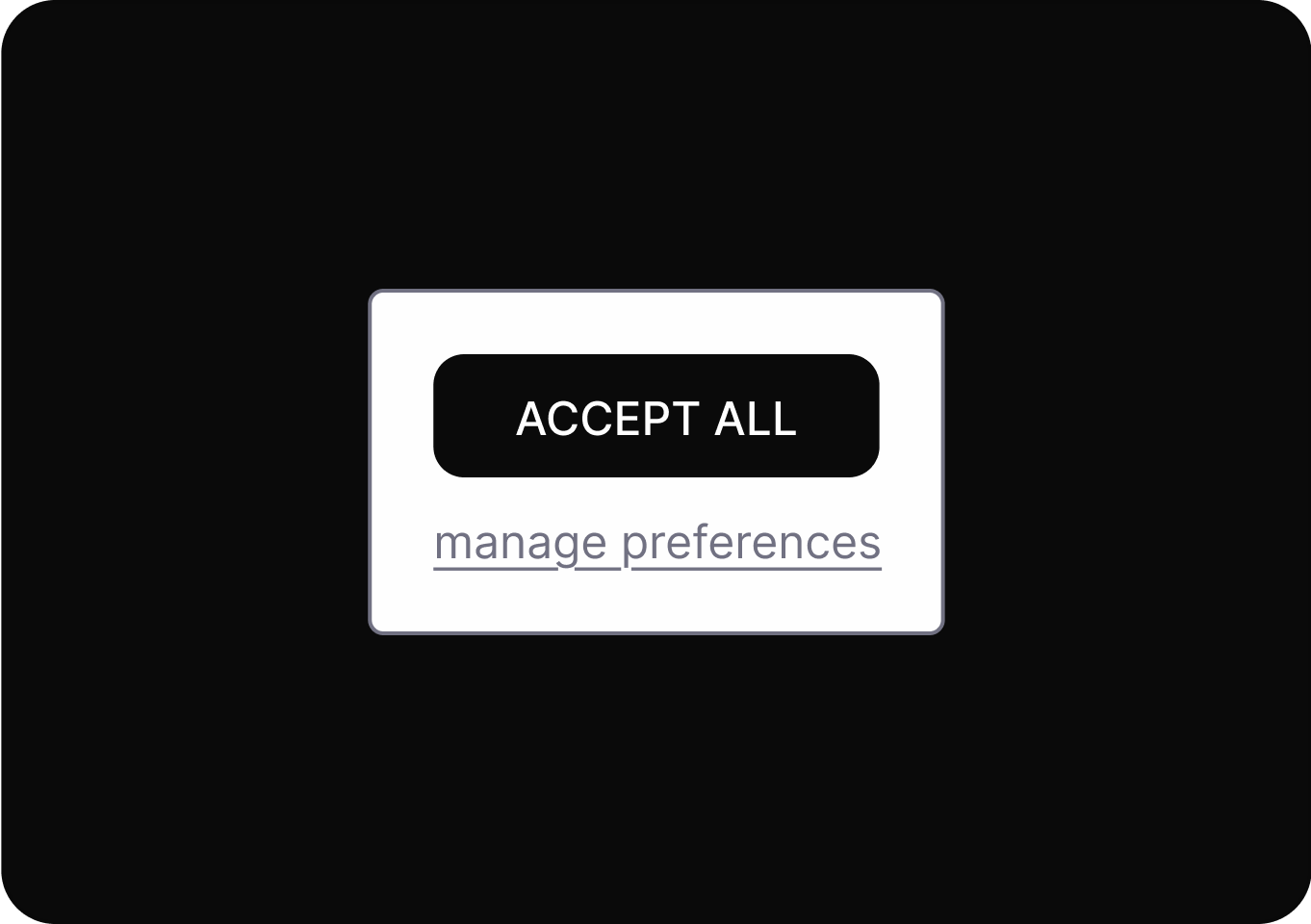
Interface Interference
Illustration

Interaction Contexts

  • settings
  • checkout
  • consent

Harmed Goals

  • comprehension
  • control

Symbiosis

Bright alternatives to this dark pattern

  • Explainability
    Provides clear, transparent information about system processes, data usage, and decision-making logic.
    View pair →
  • Fairness
    Ensures ethical treatment of users through transparent practices and respect for user autonomy.
    View pair →

Examples

Selfmade Example

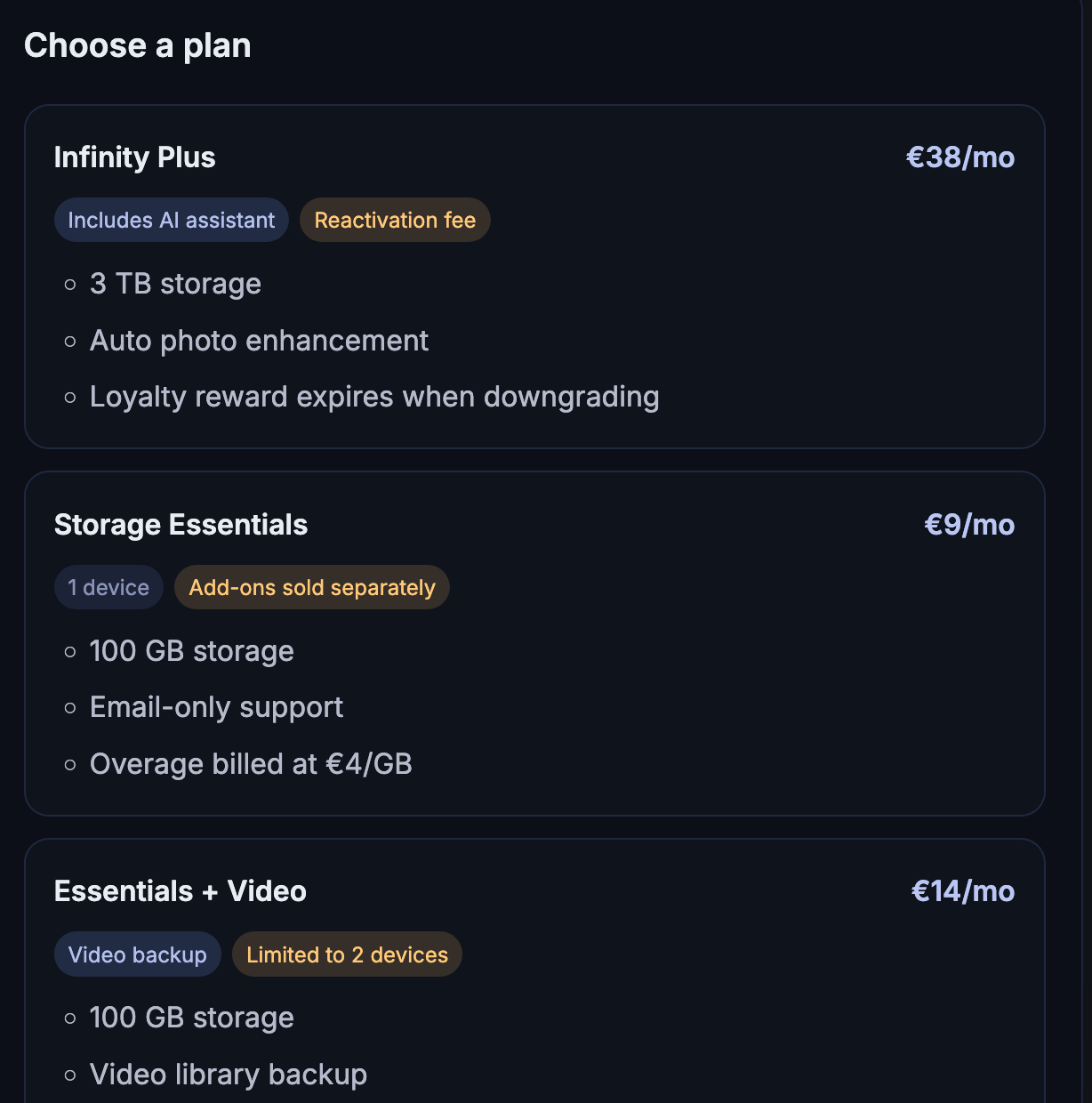
The user is presented many plans with varying cost and complex feature structure.

Evotech

Source
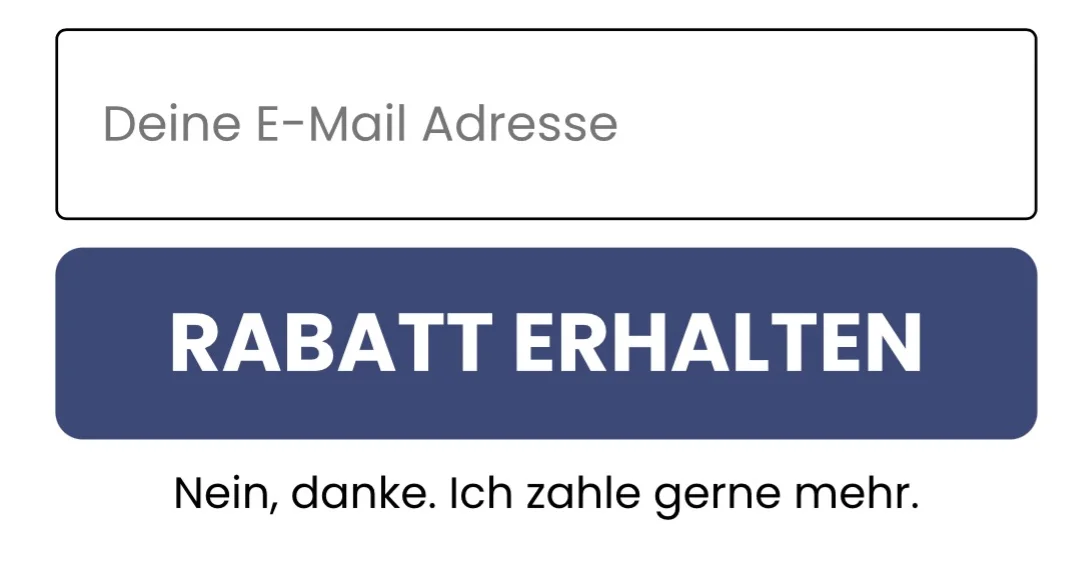
The user has a choice between "Get Discount" and "No, thank you. I'm happy to pay more"

Selfmade Example

A countdown timer pressures the user into accepting the upgrade offer

Selfmade Example

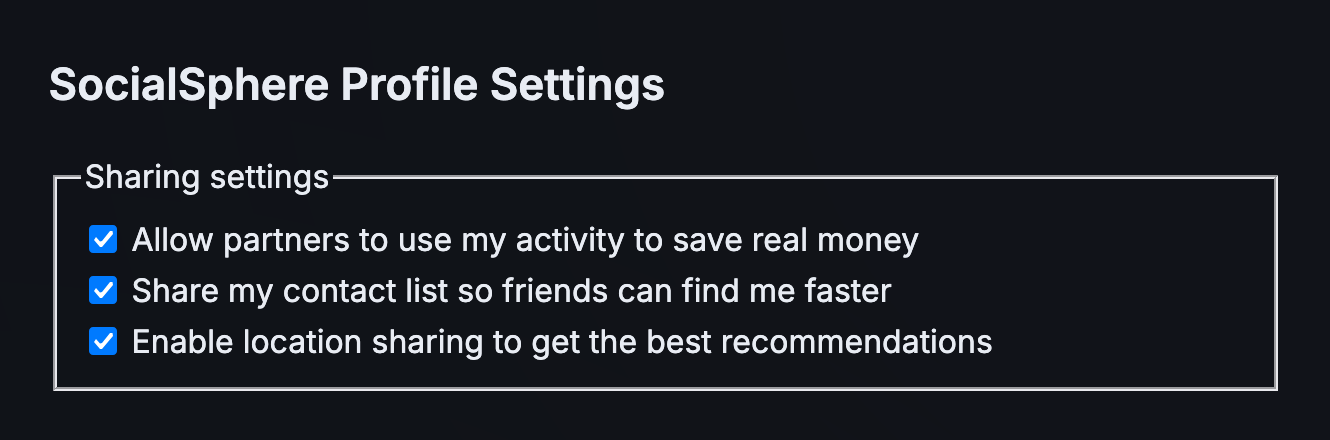
Multiple preselected datasharing options are adverticed with great benefits, that are likely false

Selfmade Example

The user is pressured into singing up by saying that the user will waste money if missing out

Sources

Dark Pattern Ontology adapted from Gray et al. (CHI ’24)

Direct
Inferred

Pattern Levels

High-Level Patterns Strategy Domain & Context Diagnostic (abstract)

High-level patterns include general strategies that can be employed through a range of modalities and technologies and application types

Meso-Level Patterns Angle of Attack Domain & Context Diagnostic (interpretable)

Meso-level patterns describe a context-agnostic angle of attack and may be interpreted in relation to context based on the specific modality or application type

Low-Level Patterns Means of Execution Domain & Context Specific (situated)

Low-level patterns are situated and contextually dependent, including specific means of execution

Diagram: High (strategy, diagnostic), Meso (angle of attack, still diagnostic), Low (means of execution, context specific). Integrated textual descriptions appear within each layer.

Source not found.
Paul Bertram 2026
Impressum Datenschutz

Source not found.

Sources

A list of all sources used across the site. Click an entry to open the full reference.

Pattern Levels

High-Level Patterns Strategy Domain & Context Diagnostic (abstract)

High-level patterns include general strategies that can be employed through a range of modalities and technologies and application types

Meso-Level Patterns Angle of Attack Domain & Context Diagnostic (interpretable)

Meso-level patterns describe a context-agnostic angle of attack and may be interpreted in relation to context based on the specific modality or application type

Low-Level Patterns Means of Execution Domain & Context Specific (situated)

Low-level patterns are situated and contextually dependent, including specific means of execution

Diagram: High (strategy, diagnostic), Meso (angle of attack, still diagnostic), Low (means of execution, context specific). Integrated textual descriptions appear within each layer.