Honest defaults
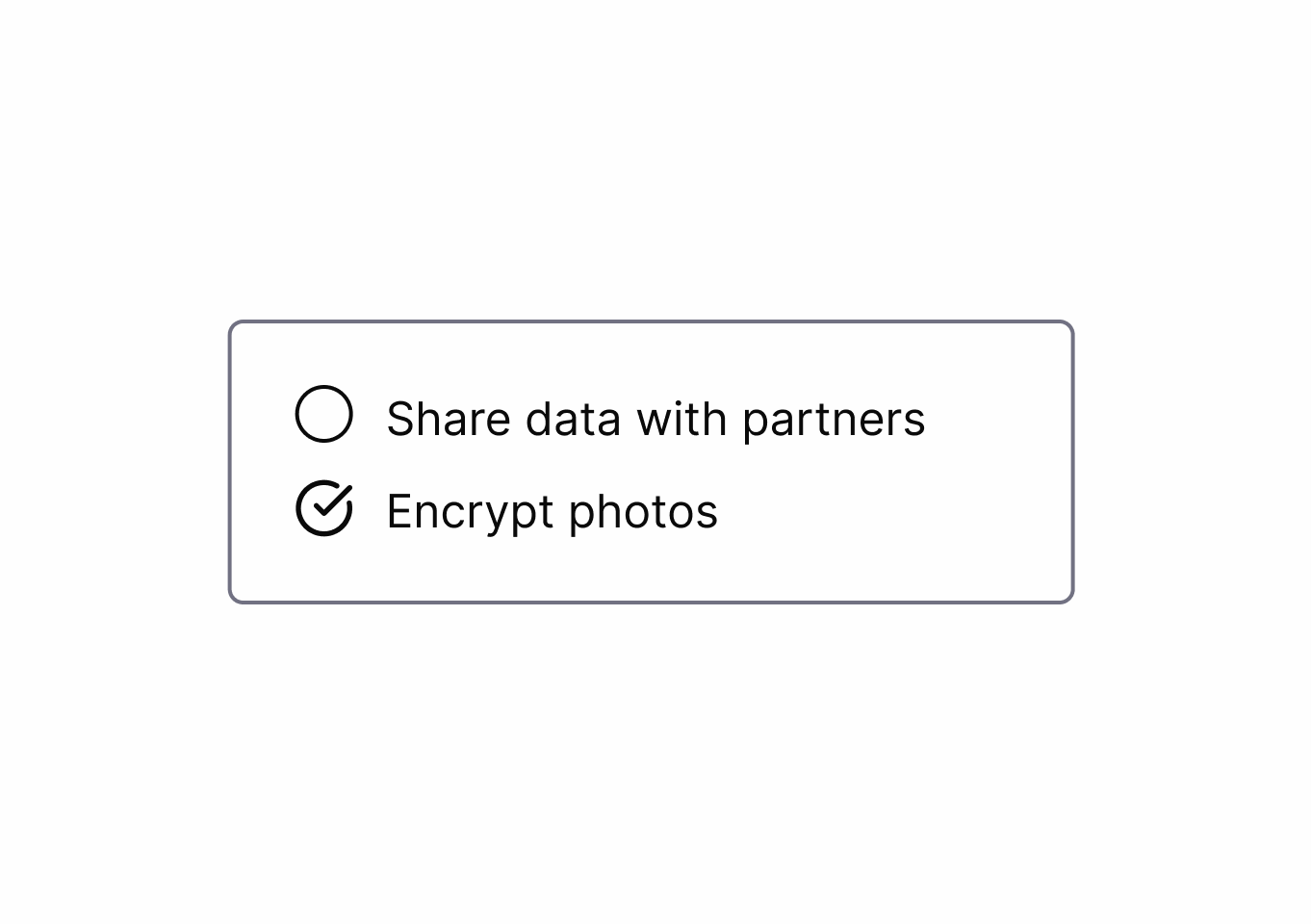
This pattern involves setting default options that are in the best interest of the user, rather than the business. For example, a default option to unsubscribe from marketing emails may be provided, rather than requiring users to opt-out.
Interaction Contexts
- settings
- checkout
Supported Goals
- transparency
- control
Symbiosis
Dark counterparts to this bright pattern
-
Manipulating Choice ArchitectureView pair →Arranges or highlights options to steer users toward a particular outcome, often making alternative choices less visible or appealing. -
Bad DefaultsView pair →Default settings are configured to favor the service provider, often exposing users to risks or unwanted actions unless manually changed.

Sources
Pattern Levels
Source not found.
Approach: semantic vs flipping
Two different approaches to Bright Patterns:
1
Semantic Approach
This approach is used by Sandhaus. It defines concrete Bright Patterns for specific contexts — for example the Bright Pattern "Usage Limits", which describes an interface that restricts the usage time of a service to a healthy level.
2
Flipping Dark Patterns
The original way the term "Bright Pattern" was introduced: the direction of the manipulation is switched from harming the user to being user-friendly. For example, instead of highlighting the option that harms the user, the user-friendly option is highlighted.
Source: